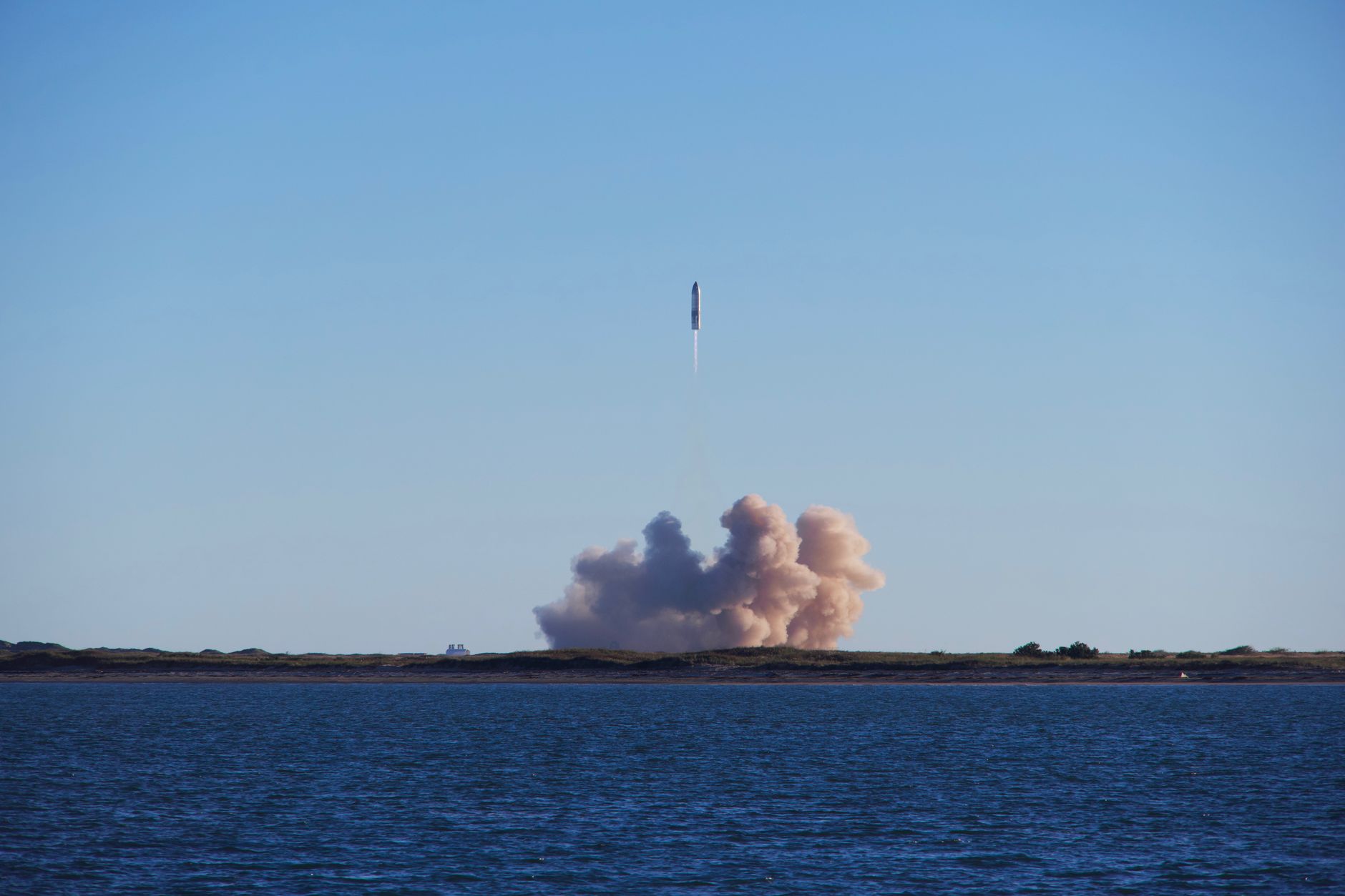
The Vega C launch is edging closer to Christmas Day as satellites arrive late. This delay raises questions about the mission’s timeline and implications for future launches.
Overview of the Vega C Launch
The Vega C launch is set to mark a significant milestone in the realm of space exploration as it approaches its countdown. This enhanced version of the Vega rocket is specifically designed to provide improved payload capacity and versatility for various missions.
As preparations intensify, several key factors are contributing to the launch’s success. These factors include:
- Advanced Technology: The Vega C utilizes cutting-edge technology that enhances its performance and reliability.
- Strategic Partnerships: Collaboration with international space agencies and organizations has bolstered the mission’s prospects.
- Robust Testing: Extensive testing has ensured that all systems are functioning optimally, minimizing risks during launch.
- Efficient Logistics: Despite some delays in satellite arrivals, the team has effectively managed logistics to keep the schedule on track.
The upcoming launch is not just about sending satellites into orbit; it represents a leap forward for commercial space travel and scientific research. As the countdown ticks down, the excitement builds around what the Vega C launch will achieve in the ever-evolving landscape of space exploration.
Impact of Satellite Delays
The recent delays in satellite delivery have raised concerns about the upcoming Vega C launch schedule. As the launch date nears, the impact of these delays becomes increasingly significant.
Experts indicate that late arrivals can affect various aspects of the mission, including:
- Preparation Time: Technicians require adequate time to perform necessary checks and integrate the satellites with the launch vehicle.
- Logistical Challenges: Late deliveries can disrupt the carefully planned timelines for transportation and assembly at the launch site.
- Testing Procedures: Each satellite must undergo rigorous testing before launch, and delays may compromise these essential evaluations.
Moreover, the Vega C launch is critical for deploying various payloads, which adds pressure to resolve any outstanding issues quickly. The collaboration between satellite manufacturers and launch providers will be key to ensuring a successful countdown despite these setbacks. Stakeholders are optimistic that by implementing efficient strategies, the Vega C can still meet its launch objectives, even with the tight timeline.
As the countdown progresses, the focus will remain on coordinating efforts to mitigate the impacts of any remaining delays.
Countdown to Christmas Day
As the countdown to Christmas Day approaches, the upcoming Vega C launch is generating excitement in the aerospace community. With satellite deliveries arriving later than expected, the final preparations are now in full swing. This shift in schedule places additional pressure on the teams involved to ensure a seamless launch.
Key factors contributing to the successful countdown include:
- Coordination with Satellite Providers: Clear communication with satellite manufacturers is vital to mitigate delays.
- Technical Readiness: Ensuring that all systems are go for the Vega C launch requires thorough checks and balances.
- Logistics Management: Streamlined logistics are essential for the timely arrival of equipment and personnel.
- Weather Monitoring: Keeping an eye on weather patterns will help determine the best launch window.
Experts emphasize that a successful Vega C launch hinges on meticulous planning and execution. With Christmas Day drawing nearer, the team is focused on overcoming these late satellite arrivals to achieve their mission objectives. The excitement surrounding this event showcases the importance of adaptability in the aerospace sector.
Future of European Space Missions
The future of European space missions is looking promising, especially with the upcoming Vega C launch on the horizon. This launch marks a significant step forward for the European Space Agency (ESA) and its commitment to maintaining a competitive edge in the global space race.
As satellite technology continues to evolve, European missions are poised to take advantage of new opportunities. The Vega C, with its enhanced capabilities, will allow for a broader range of payloads, catering to various scientific and commercial needs.
Key factors influencing the future of these missions include:
- Innovation: Continuous advancements in rocket technology will enable more efficient launches.
- Collaboration: Partnerships with international organizations and private companies will expand capabilities.
- Flexibility: The ability to adapt to changing market demands will be crucial for success.
- Sustainability: Emphasis on environmentally friendly practices will shape future launches.
Overall, the Vega C launch is not just a singular event; it represents a pivotal moment in the evolution of European space exploration, setting the stage for future missions that push the boundaries of what is possible.
Photo by Forest Katsch on Pexels