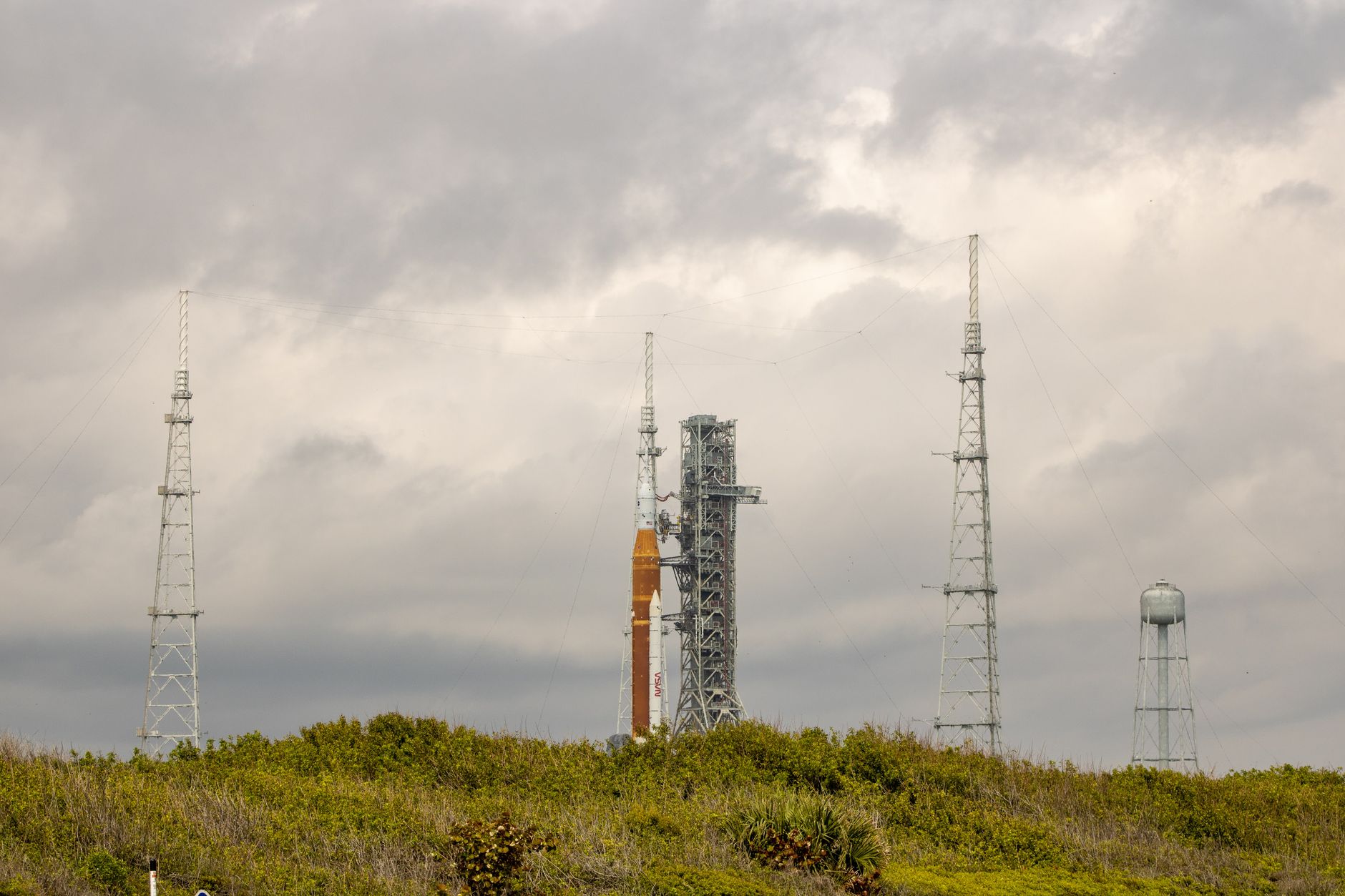
Starship Ship 42 has achieved a remarkable milestone in space exploration. It became the first upper stage caught mid-air after returning from orbit, showcasing SpaceX’s innovative technology and engineering prowess.
Overview of Starship Ship 42
Starship Ship 42 has recently made headlines for achieving a significant milestone in space exploration. This groundbreaking spacecraft became the first upper stage to be caught mid-air after returning from orbit, marking a pivotal moment in SpaceX’s ambitious plans for reusable rocket technology.
The successful mid-air catch technique utilized by Starship Ship 42 demonstrates the potential for enhancing the efficiency of space missions. By recovering the upper stage in flight, SpaceX aims to reduce costs and turnaround times for future launches.
Key features of Starship Ship 42 include:
- Innovative design: The spacecraft incorporates advanced materials and engineering solutions to withstand the rigors of launch and re-entry.
- Precision landing: Utilizing cutting-edge technology, the ship is equipped with thrusters that allow for controlled descent and stability during recovery.
- Environmental considerations: The reusable nature of Starship Ship 42 contributes to a more sustainable approach to space exploration.
With this achievement, SpaceX continues to push the boundaries of what is possible in aerospace technology, paving the way for future interplanetary missions.
The Significance of Mid-Air Catch
The recent achievement of Starship Ship 42 marks a significant milestone in aerospace technology. The mid-air catch technique, which was successfully demonstrated during its recent mission, showcases a new era of reusability in space travel. This innovative approach not only reduces the costs associated with launching spacecraft but also enhances the sustainability of future missions.
By catching the upper stage mid-air, SpaceX has opened doors for more efficient recovery methods. The significance of this technique lies in its potential to:
- Minimize Landing Risks: Capturing the spacecraft before it reaches the ground decreases the chance of damage during landing.
- Enhance Reusability: The ability to recover and reuse stages rapidly will lower operational costs significantly.
- Promote Environmental Sustainability: Reducing waste and the need for new materials aligns with global efforts to minimize the environmental impact of space missions.
As the space industry evolves, the success of Starship Ship 42 in utilizing this mid-air catch technique could set the standard for future spacecraft design and recovery methods.
How SpaceX Achieved This Feat
SpaceX has reached a significant milestone with Starship Ship 42, marking the first successful mid-air catch of an upper stage after its return from orbit. This unprecedented achievement showcases the innovative techniques employed by the aerospace company in its pursuit of reusability.
The process involved a series of carefully coordinated steps:
- Launch and Ascent: Starship Ship 42 was launched into orbit, where it completed its mission objectives.
- Reentry and Descent: The spacecraft executed a controlled reentry, utilizing its heat shield to withstand the intense temperatures.
- Final Approach: As it descended, the ship deployed its aerodynamic fins to stabilize its flight path.
- Catch Mechanism: A waiting recovery ship positioned itself to intercept Ship 42, utilizing a sophisticated robotic arm designed for the mid-air catch.
This groundbreaking method not only reduces the need for extensive recovery systems but also significantly cuts down on refurbishment time, paving the way for more efficient future missions.
Technological Innovations in SpaceX
SpaceX has consistently pushed the boundaries of aerospace engineering, and their recent advancements are exemplified by the successful mid-air catch of the Starship Ship 42. This innovative technique not only demonstrates SpaceX’s commitment to reusable rocket technology but also highlights the intricate systems that enable such feats.
Several technological innovations have contributed to this achievement:
- Advanced Guidance Systems: The integration of cutting-edge navigation technology allows for precise control during descent, ensuring that the Starship Ship 42 can be accurately positioned for capture.
- Robust Materials: The use of lightweight yet durable materials enhances the spacecraft’s performance, enabling it to withstand the stresses of re-entry and mid-air capture.
- Automated Catch Mechanisms: The development of sophisticated robotic arms has improved the efficiency and reliability of the mid-air catch process, significantly reducing the risk of failure.
As SpaceX continues to refine these technologies, the implications for the future of space travel and exploration appear exceedingly promising.
Future Implications for Space Travel
The successful mid-air catch of the Starship Ship 42 has significant implications for the future of space travel. This groundbreaking technique not only enhances the efficiency of rocket recovery but also paves the way for more sustainable missions beyond Earth.
The ability to catch an upper stage in mid-air reduces the need for extensive landing infrastructure, thereby decreasing costs associated with space launches. As SpaceX continues to refine this method, it could lead to a new era of reusable spacecraft, where missions can become more frequent and affordable.
Moreover, the implications extend beyond financial benefits. With reduced reliance on traditional landing methods, SpaceX could explore more ambitious missions, such as crewed flights to the Moon and Mars. The mid-air catch technique exemplifies the innovative spirit of the space industry, encouraging other companies to pursue similar advancements.
In summary, the success of Starship Ship 42 represents a pivotal moment in aerospace engineering. As this technology matures, we can expect to see a transformation in how humanity approaches space exploration.
Comparing Starship Ship 42 to Previous Missions
In assessing the advancements made by Starship Ship 42, it is crucial to compare its performance with previous missions. Historically, SpaceX has employed a range of recovery techniques, but none have achieved the precision of mid-air catch demonstrated by Ship 42.
Previous missions primarily relied on landing on solid ground or platforms, which posed various challenges, including environmental factors and the need for extensive infrastructure. In contrast, Starship Ship 42 showcased a remarkable evolution in recovery methods by successfully executing a mid-air catch after re-entering the atmosphere.
The following points highlight key differences between Ship 42 and its predecessors:
- Recovery Method: Ship 42 utilized a drone ship for mid-air catch, while earlier models used traditional landing pads.
- Precision: The accuracy of the catch maneuver has improved significantly, reducing the risk of damage upon recovery.
- Technological Integration: Enhanced sensors and AI-driven systems on Ship 42 allowed for real-time adjustments during descent.
This comparison underscores the innovative strides made by SpaceX, positioning Starship Ship 42 as a frontrunner in space recovery techniques.
Expert Opinions on SpaceX’s Success
Experts in the aerospace industry are praising SpaceX’s groundbreaking achievement with the Starship Ship 42. This mission marks a significant milestone in the realm of space travel, showcasing the potential for sustainable and efficient rocket recovery.
Dr. Emily Rodriguez, an aerospace engineer at a leading research institution, stated, “The successful mid-air catch technique used by Starship Ship 42 opens up new possibilities for reusability in space missions.” She emphasized that this method not only reduces costs but also minimizes space debris.
Additionally, Professor James Lee, a space technology analyst, noted, “SpaceX has demonstrated that innovation is key to advancing space exploration. The implications of this catch technique could revolutionize how we approach future missions.”
Industry insiders believe that the success of Starship Ship 42 may prompt other organizations to explore similar recovery methods. “Seeing a company like SpaceX lead the way is incredibly inspiring for the entire aerospace community,” remarked Dr. Rodriguez, highlighting the collaborative spirit within the industry.
Overall, expert opinions align in recognizing the profound impact of this achievement on the future of space exploration.
Photo by Edvin Richardson on Pexels
Read the original
Latin Times · Starship Ship 20
Related stories
iQOO 16 Launch: Everything You Need to Know Before It Arrives · OPPO Reno 17 specifications: Best Complete Details Leaked · Vega C Launch: Best Proven Steps for a Successful Countdown