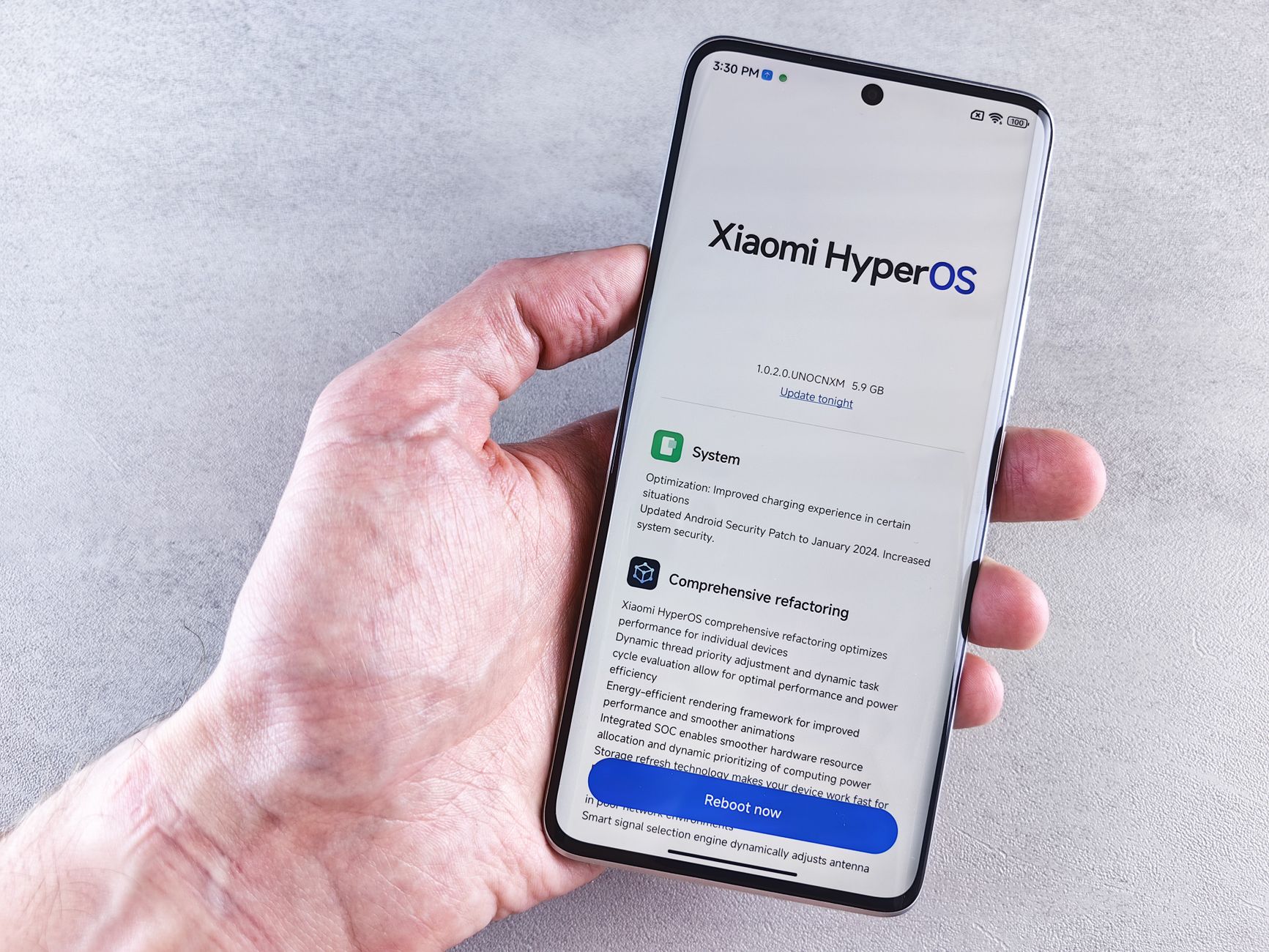
Xiaomi HyperOS rollout phases have been officially published, detailing the timeline for phones, tablets, and smart devices. This rollout aims to enhance user experience across various devices.
Overview of Xiaomi HyperOS
Xiaomi has officially announced the rollout of its latest operating system, HyperOS, which aims to unify the user experience across various devices, including smartphones, tablets, and smart appliances. This ambitious initiative reflects Xiaomi’s commitment to enhancing device interoperability and streamlining software updates.
The HyperOS rollout is strategically phased, ensuring that users can transition smoothly to the new interface while benefiting from its advanced features. Key aspects of this rollout include:
- Device Compatibility: HyperOS will be available on a range of devices, enhancing functionality and performance.
- Phased Approach: The rollout will occur in several stages, allowing for timely updates and feedback from users.
- User-Centric Design: HyperOS focuses on providing a more intuitive and seamless experience across different platforms.
- Performance Enhancements: Users can expect improved speed and efficiency with the introduction of this new operating system.
As Xiaomi continues with the HyperOS rollout, it hopes to set a new standard in the ecosystem of connected devices, making technology more accessible and integrated for everyone.
Key Features of HyperOS 4
The latest version, HyperOS 4, introduces a range of significant features designed to enhance user experience across various devices. This rollout, part of the broader Xiaomi HyperOS rollout strategy, aims to unify performance and functionality.
- Seamless Integration: HyperOS 4 allows for better synchronization between Xiaomi smartphones, tablets, and smart devices, ensuring users have access to their data and settings across all platforms.
- Improved AI Capabilities: The updated operating system includes advanced AI features that adapt to user habits, optimizing device performance and battery life.
- Enhanced Security: With the introduction of new security protocols, HyperOS 4 offers users greater protection against data breaches and unauthorized access.
- Customizable Interface: The operating system comes with a more flexible interface, allowing users to personalize their experience to better suit their preferences.
- Faster Updates: HyperOS 4 promises quicker updates and support for the latest apps, ensuring that devices remain up-to-date with minimal downtime.
These features collectively enhance the functionality of Xiaomi devices, making the HyperOS 4 rollout a highly anticipated upgrade for users worldwide.
Xiaomi HyperOS Rollout Phases
The rollout of Xiaomi HyperOS is set to occur in several distinct phases, ensuring a smooth transition for various devices. This structured approach allows users to enjoy the benefits of the new operating system while minimizing disruptions.
The Xiaomi HyperOS rollout phases are as follows:
- Phase 1: Initial Release – The first phase will focus on flagship devices, including the latest models in the Xiaomi series. These devices will receive the update first, allowing early adopters to experience HyperOS 4’s capabilities.
- Phase 2: Mid-Tier Devices – Following the flagship rollout, mid-tier devices will be upgraded. This phase aims to enhance the user experience for a broader range of consumers.
- Phase 3: Tablets and Smart Devices – The final phase will include tablets and various smart devices. This ensures that all Xiaomi users can benefit from the features and improvements introduced with HyperOS.
As Xiaomi continues its HyperOS rollout, users can expect regular updates and support throughout each phase, enhancing the overall experience across their devices.
Devices Included in the Rollout
The recent Xiaomi HyperOS rollout has generated significant interest among users of various Xiaomi devices. The new operating system aims to enhance user experience through its advanced features and seamless integration across devices. Below is a list of the devices that are included in this extensive rollout:
- Xiaomi 13 Series: This flagship series will receive the update first, ensuring that users benefit from the latest technological advancements.
- Xiaomi 12 Series: Following closely, the popular 12 series will also see the transition to HyperOS, bringing improved performance and security.
- Xiaomi Pad 5: Tablet users can look forward to an upgraded experience with the new operating system, ideal for productivity and entertainment.
- Xiaomi Mix Fold 2: This innovative foldable device will benefit from HyperOS features, enhancing multitasking capabilities.
- Redmi Note 12 Series: Mid-range users will not be left out, as the widely popular Redmi Note series will also be part of the rollout.
With these devices set to experience the transformative effects of HyperOS, Xiaomi continues to solidify its commitment to delivering cutting-edge technology to its users.
User Experience Improvements
The rollout of Xiaomi HyperOS is set to significantly enhance user experience across various devices. With each phase of the rollout, users can expect improvements that streamline operations and elevate device performance.
Among the most notable enhancements are:
- Intuitive Interface: The new design focuses on user-friendliness, making navigation smoother and more engaging.
- Enhanced Performance: Optimizations under HyperOS ensure faster app launches and reduced lag, providing a seamless experience during multitasking.
- Battery Efficiency: Smart power management features help extend battery life, allowing users to enjoy their devices for longer periods without frequent charging.
- Improved Security: Enhanced security protocols within HyperOS protect user data and privacy, ensuring a safer digital environment.
- Customization Options: Users can personalize their devices more extensively, tailoring the interface and features to suit individual preferences.
As the Xiaomi HyperOS rollout progresses, users eagerly anticipate these enhancements that aim to redefine their interaction with technology, making it more intuitive and efficient.
How to Prepare for HyperOS Update
As the Xiaomi HyperOS rollout begins, preparing your device for the update is essential to ensure a smooth transition. Here are some steps to follow:
- Back Up Your Data: Always start by backing up your important data. This includes photos, contacts, and any critical files that you wouldn’t want to lose during the update process.
- Check for Updates: Before the rollout, check if your device is already running the latest version of the current operating system. This can help prevent potential conflicts during the HyperOS update.
- Free Up Storage Space: Ensure that your device has sufficient storage space. Typically, updates require extra space for downloading and installing new files. Clearing out unnecessary apps and files can help.
- Charge Your Device: Make sure your device is fully charged or connected to a power source during the update. This will prevent any interruptions that could lead to issues.
- Stay Informed: Keep an eye on official Xiaomi channels and forums for updates related to the HyperOS rollout. This can provide insights into any potential issues and additional tips for a successful upgrade.
By taking these steps, you can better prepare for the Xiaomi HyperOS rollout and enjoy the enhancements it brings to your devices.
The Xiaomi HyperOS rollout has been met with enthusiasm from users eager to experience its advanced features. As the rollout progresses, feedback will be crucial in determining the best proven phases for devices.
Photo by Andrey Matveev on Pexels
Where this came from
Are Googlebook laptops the best premium tech choice? · CRACK Game Adventure: The Best Egg-cellent Journey Ahead · AI Governance Stocks: Best Proven Strategies for Investors