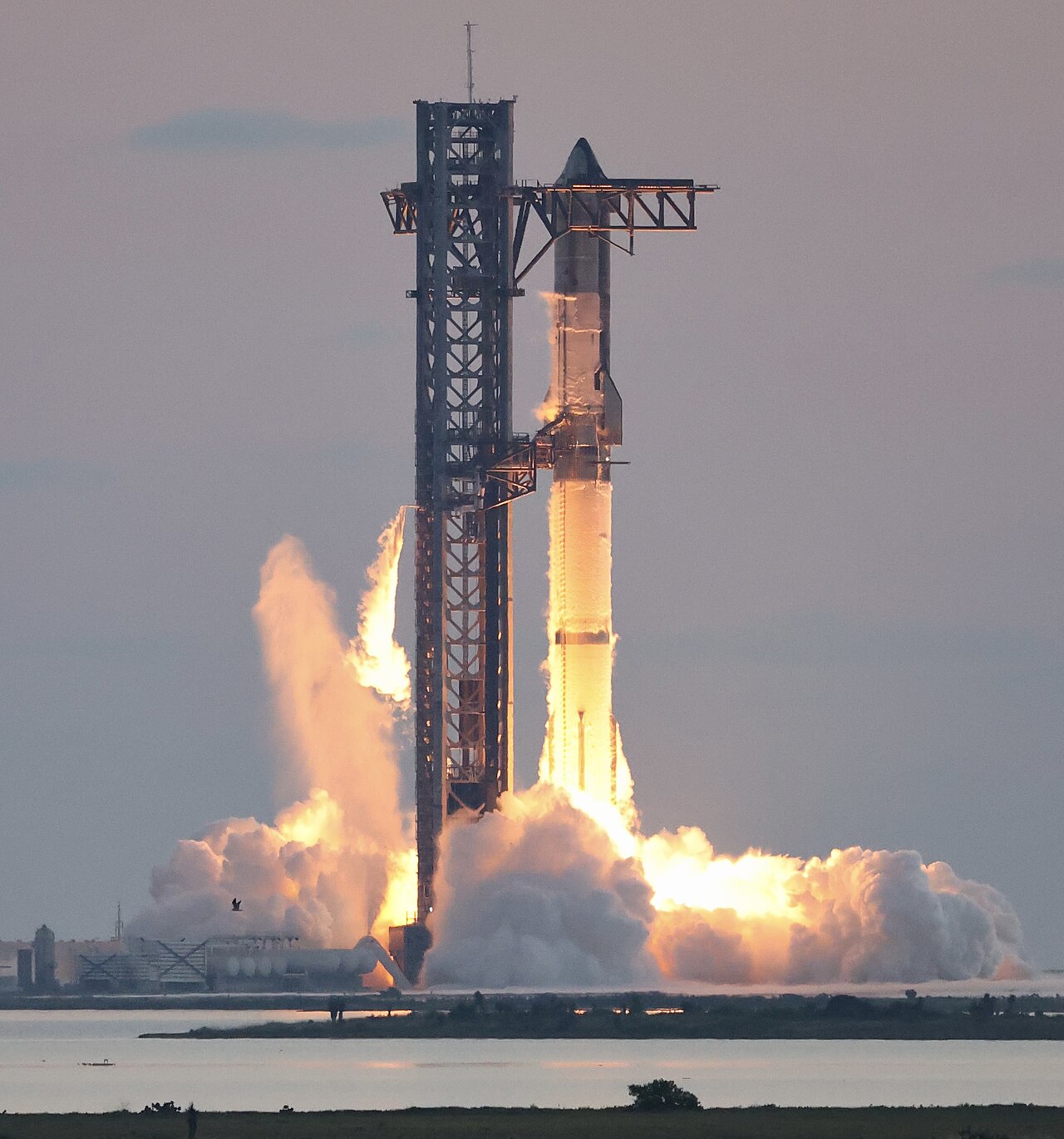
SpaceX Starship re-fuel is a significant hurdle for its mission to the Moon, as it will need to refuel 22 times in space. This ambitious plan highlights the complexities of interplanetary travel.
Understanding SpaceX’s Mission to the Moon
SpaceX is embarking on an ambitious mission to the Moon, leveraging its Starship spacecraft to push the boundaries of space exploration. However, one of the most significant challenges facing this endeavor is the need for SpaceX Starship re-fuel in space. According to recent reports, the Starship will require up to 22 refueling operations during its journey to the lunar surface.
This extensive re-fueling requirement stems from the sheer distance to the Moon and the amount of fuel needed to land and return safely. Each refueling operation will take place in orbit, where the spacecraft will need to be carefully positioned to connect with fuel tankers sent from Earth. This complex choreography of spacecraft refueling will require precise timing and coordination, making it one of the most intricate aspects of the mission.
Additionally, SpaceX’s strategy involves using its fleet of Starship tankers, which will be launched ahead of the crewed missions. The tankers will be filled with propellant and positioned in orbit, ready to refill the main Starship as it prepares for its descent to the Moon.
As challenges mount, SpaceX is facing the reality that overcoming the logistical hurdles of in-space refueling is essential. Successfully addressing these challenges will not only pave the way for lunar exploration but also set the stage for future missions to Mars and beyond.
The Importance of In-Space Refueling
The success of SpaceX’s lunar missions hinges on a critical yet challenging process: in-space refueling. This procedure is vital for ensuring that the Starship has enough fuel to complete its journey to the Moon and return safely to Earth.
In-space refueling allows spacecraft to extend their range and capabilities, making long-duration missions more feasible. For the SpaceX Starship, it is projected that it will need to re-fuel 22 times in space to successfully make the trip to the Moon. This requirement highlights the complexities involved in the mission and the innovations necessary to achieve such an ambitious goal.
One of the primary advantages of in-space refueling is that it reduces the amount of fuel that must be launched from Earth, significantly lowering the weight and cost of the initial launch. It also enables Starship to carry additional payloads, whether for scientific research, lunar exploration, or future manned missions.
However, the logistical challenges of coordinating multiple refueling operations in the harsh environment of space cannot be understated. SpaceX must develop reliable systems to transfer fuel between vehicles in microgravity, ensuring that each refueling operation is safe and efficient.
Ultimately, mastering the in-space refueling process will be a pivotal step not only for SpaceX but for the future of space exploration as a whole, paving the way for sustainable lunar and beyond missions.
Challenges of SpaceX Starship Re-Fuel
The prospect of using the SpaceX Starship for lunar missions brings exciting possibilities, yet it also presents significant challenges, particularly when it comes to the SpaceX Starship re-fuel process. As the mission plan indicates, the Starship will require refueling at least 22 times in space before reaching the Moon, which raises several operational concerns.
One of the primary challenges is ensuring a reliable and efficient refueling process in microgravity conditions. This requires advanced technology and precise engineering to allow for safe transfers of propellant between spacecraft. Any malfunction during this critical stage could jeopardize the entire mission.
Moreover, the logistics of transporting refueling equipment and supplies to the launch site also complicate the mission. This includes:
- Developing specialized storage systems for propellant in space.
- Training crew members extensively for refueling operations.
- Creating contingency plans for potential failures during refueling.
Additionally, maintaining the structural integrity of the Starship during multiple refueling operations poses another challenge. Repeated stress on the spacecraft could lead to unforeseen wear and tear, necessitating rigorous inspections and maintenance protocols.
Ultimately, while the SpaceX Starship re-fuel is a critical component of lunar exploration, addressing these challenges will be essential for the success of future missions to the Moon and beyond.
Current Status of SpaceX Starship
As SpaceX prepares for its ambitious lunar missions, the current status of the Starship program is pivotal. After numerous test flights and modifications, the Starship is closer than ever to being operational for its intended purpose of ferrying astronauts and cargo to the Moon. However, a significant hurdle remains: the SpaceX Starship re-fuel process.
The company has confirmed that the Starship will require approximately 22 refueling operations in space before it can complete its journey to the Moon. This intricate process involves not only the logistics of transferring fuel but also ensuring that every operation is executed flawlessly to maintain safety and mission integrity.
- Testing Phase: SpaceX is currently in the testing phase to refine the refueling technology and protocols.
- Technical Challenges: Engineers are addressing technical challenges related to the zero-gravity refueling process.
- Timeline: The timeline for finalizing these systems remains uncertain, but SpaceX is optimistic about making significant progress.
In the coming months, the focus will be on perfecting the SpaceX Starship re-fuel strategy. This will not only be vital for the upcoming lunar missions but will also set the stage for future endeavors to Mars and beyond. The successful execution of these refueling operations could redefine how space missions are conducted.
Future of Lunar Missions
The future of lunar missions heavily relies on the advancements in in-space refueling technology, particularly as demonstrated by SpaceX’s Starship. With the requirement of 22 re-fuelings in space to successfully reach the Moon, the implications for future lunar exploration are significant.
As missions grow more ambitious, the ability to refuel spacecraft in orbit will determine the feasibility of sustained human presence on the Moon and beyond. The following aspects illustrate the potential impact:
- Increased Payload Capacity: With successful refueling capabilities, SpaceX Starship can carry more scientific equipment and supplies, leading to more extensive exploration missions.
- Longer Missions: Re-fueling enables longer-duration missions, allowing astronauts to conduct comprehensive research and experiments on the lunar surface.
- Cost Efficiency: In-space refueling may significantly reduce the cost of lunar missions by decreasing the need for large quantities of fuel to be launched from Earth.
- Technological Advancements: The development of reliable refueling processes will pave the way for future deep-space missions, including manned missions to Mars.
In conclusion, the future of lunar missions is intertwined with the successful implementation of SpaceX Starship re-fuel technology, which opens new frontiers for exploration and human settlement in space.
Innovations in Space Travel Technology
As space exploration advances, the innovations in technology play a vital role in overcoming the challenges faced by missions to the Moon and beyond. One of the most significant breakthroughs is the concept of in-space refueling, which is essential for the success of SpaceX’s Starship re-fuel strategy. This capability allows spacecraft to replenish their fuel while in orbit, thereby extending their range and operational capabilities.
Key innovations that support this technology include:
- Automated Refueling Systems: These systems enable precise fuel transfer between spacecraft, minimizing the risk of leaks and maximizing efficiency.
- Advanced Propellant Management: New materials and techniques are being developed to store and transfer cryogenic fuels safely, which is crucial for long-duration missions.
- On-orbit Manufacturing: The potential to create fuel from resources found in space, such as water ice on the Moon, could revolutionize how missions are planned and executed.
- AI and Robotics: Enhanced automation through artificial intelligence and robotics can streamline refueling processes, making them safer and more reliable.
These innovations not only pave the way for SpaceX’s ambitious plans but also lay the foundation for future lunar missions and deep-space exploration. As these technologies continue to evolve, the challenges of SpaceX Starship re-fuel may soon become manageable, opening new avenues for humanity’s journey into the cosmos.
The complexities of the SpaceX Starship re-fuel process could significantly impact timelines for future lunar missions. Addressing the challenges of the SpaceX Starship re-fuel will be crucial for ensuring the success of deep-space exploration endeavors.
via Wikimedia Commons
Read the original
Related reading
Leaf Blower Co. Release Date: The Best Trailer Revealed · EloElo Group funding: $80 Million Series C Success · Redmi Turbo 6 Max specifications: Clear Details Revealed