
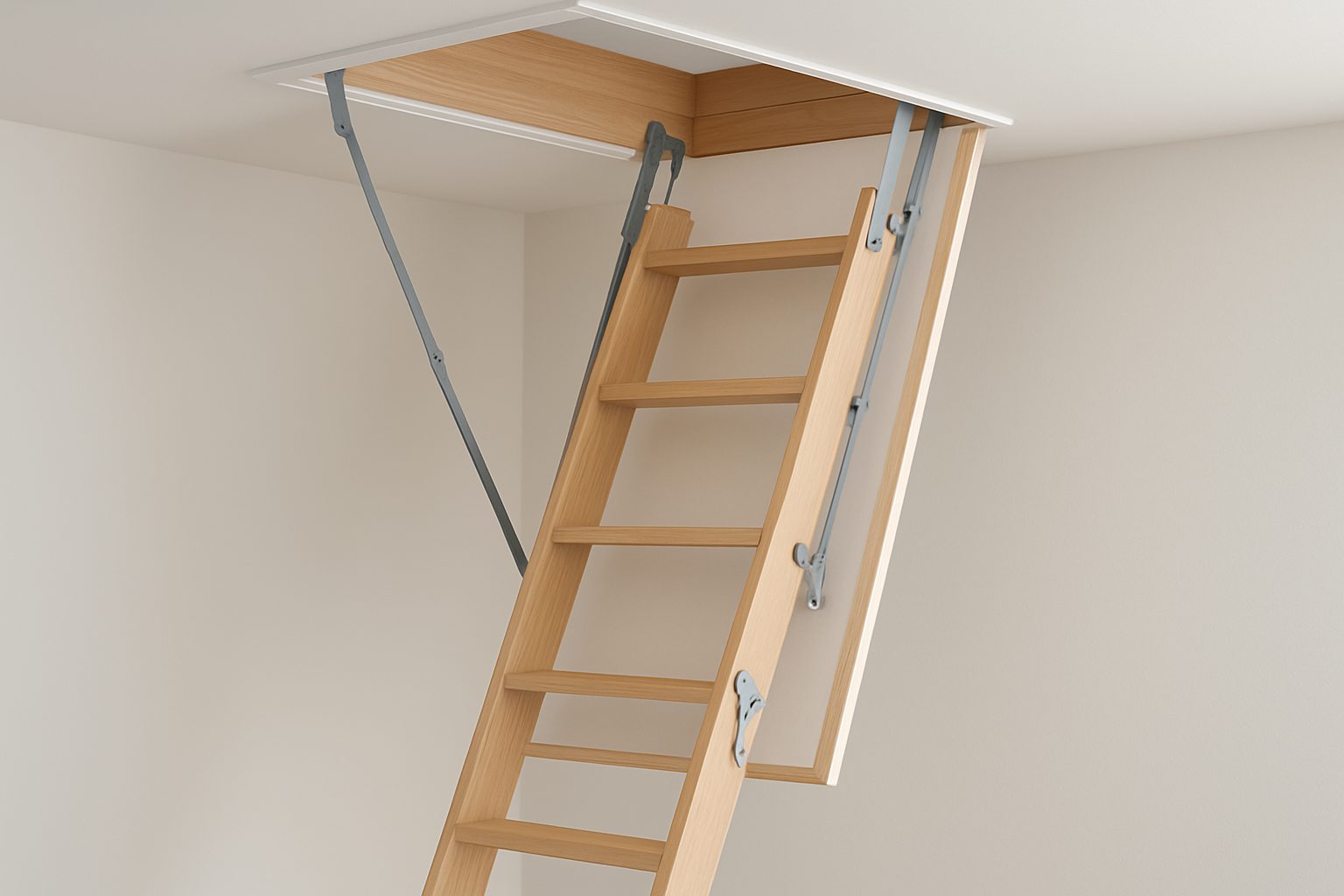
Can a loft access upgrade make everyday home use safer?
Yes. A thoughtfully selected Loft Ladder can turn a difficult loft entrance into a practical and more controlled access point. With modern homes increasingly using lofts for storage, offices, bedrooms, and utility space, safe access has become an important part of home planning. A good solution can improve movement, reduce unnecessary strain, and make the available upper-level space easier to use. In many homes, even a small improvement in ladder design can make a noticeable difference to daily convenience.
In This Article
- Can a loft access upgrade make everyday home use safer?
- What makes a loft ladder a smarter home-access solution?
- How important is step design?
- Does loft access need to save space as well as improve safety?
- What safety features deserve attention?
- Can better loft access increase the usefulness of unused space?
- How often should a loft ladder be checked?
- What should homeowners consider before choosing a solution?
- Conclusion
What makes a loft ladder a smarter home-access solution?
A smart solution combines safety, ease of operation, efficient use of space, and dependable construction. Traditional access arrangements may require bulky stairs or awkward climbing positions, while a purpose-designed ladder can provide a compact alternative. Features such as secure handrails, stable steps, smooth opening mechanisms, and suitable weight capacity can contribute to a more comfortable experience. The goal is not simply to reach the loft but to create an access point that feels predictable and secure every time it is used.
How important is step design?
Step design plays a major role in user confidence. Wider, properly spaced steps can provide better foot placement, while a balanced angle can make climbing and descending feel more natural. A useful way to assess a ladder is to consider the complete movement rather than looking only at its appearance. If the user can maintain a steady posture and comfortably grip the ladder, the overall access experience is likely to be much better.
Does loft access need to save space as well as improve safety?
Absolutely. Space efficiency is one of the strongest advantages of modern loft access systems. Folding, sliding, or telescopic designs can remain neatly stored when the loft is not being used. This can preserve valuable floor area and keep the room below looking uncluttered. For compact properties, making the most of every square metre can be especially valuable.
What safety features deserve attention?
Several practical features can make a difference. Secure locking mechanisms help keep the ladder firmly positioned during use, while strong hinges and durable materials support repeated operation. Handrails can provide additional stability, particularly when carrying light items. A correctly fitted ladder should also sit securely against the floor and loft opening, with sufficient clearance for comfortable movement.
Can better loft access increase the usefulness of unused space?
Yes. Easier access can encourage homeowners to use loft areas more effectively. A loft that once served only as occasional storage may become a convenient location for seasonal belongings, household equipment, or a dedicated living area where suitable building requirements are met. Improving accessibility can therefore contribute to better use of existing space without changing the home’s main footprint.
How often should a loft ladder be checked?
Regular visual checks are a simple way to maintain confidence in the system. Homeowners can look for loose fittings, unusual movement, damaged steps, worn hinges, or changes in how smoothly the ladder operates. Checking access equipment periodically is especially useful in busy households where the ladder is opened frequently.
What should homeowners consider before choosing a solution?
The loft opening, available floor space, ceiling height, frequency of use, ladder material, storage position, and expected load should all be considered. Matching the design to the property is essential because a solution that works well in one home may not be appropriate for another. Professional fitting can also help ensure correct positioning and dependable operation.
Conclusion
Modern loft access is about more than convenience. A well-planned ladder solution can combine safety, space efficiency, durability, and ease of use while helping homeowners make greater use of valuable upper-level space. By focusing on practical design, reliable construction, comfortable movement, and regular maintenance, homeowners can create a loft entrance that supports safer and smarter everyday living.
Key Points
- A loft ladder can transform a difficult loft entrance into a safer and more practical access point for daily use.
- Modern lofts are increasingly utilized for various purposes, making safe access essential in home planning.
- Effective loft access solutions can include features like secure handrails, stable steps, and smooth operating mechanisms to enhance user experience.
- Space-efficient loft access systems, such as folding or telescopic designs, help maintain an uncluttered living area by storing neatly when not in use.
- Regular visual checks of loft ladders for wear and loose fittings are crucial for maintaining safety and confidence in their use.
- Homeowners should consider factors like loft opening size, ceiling height, and expected load when selecting a loft ladder solution.


