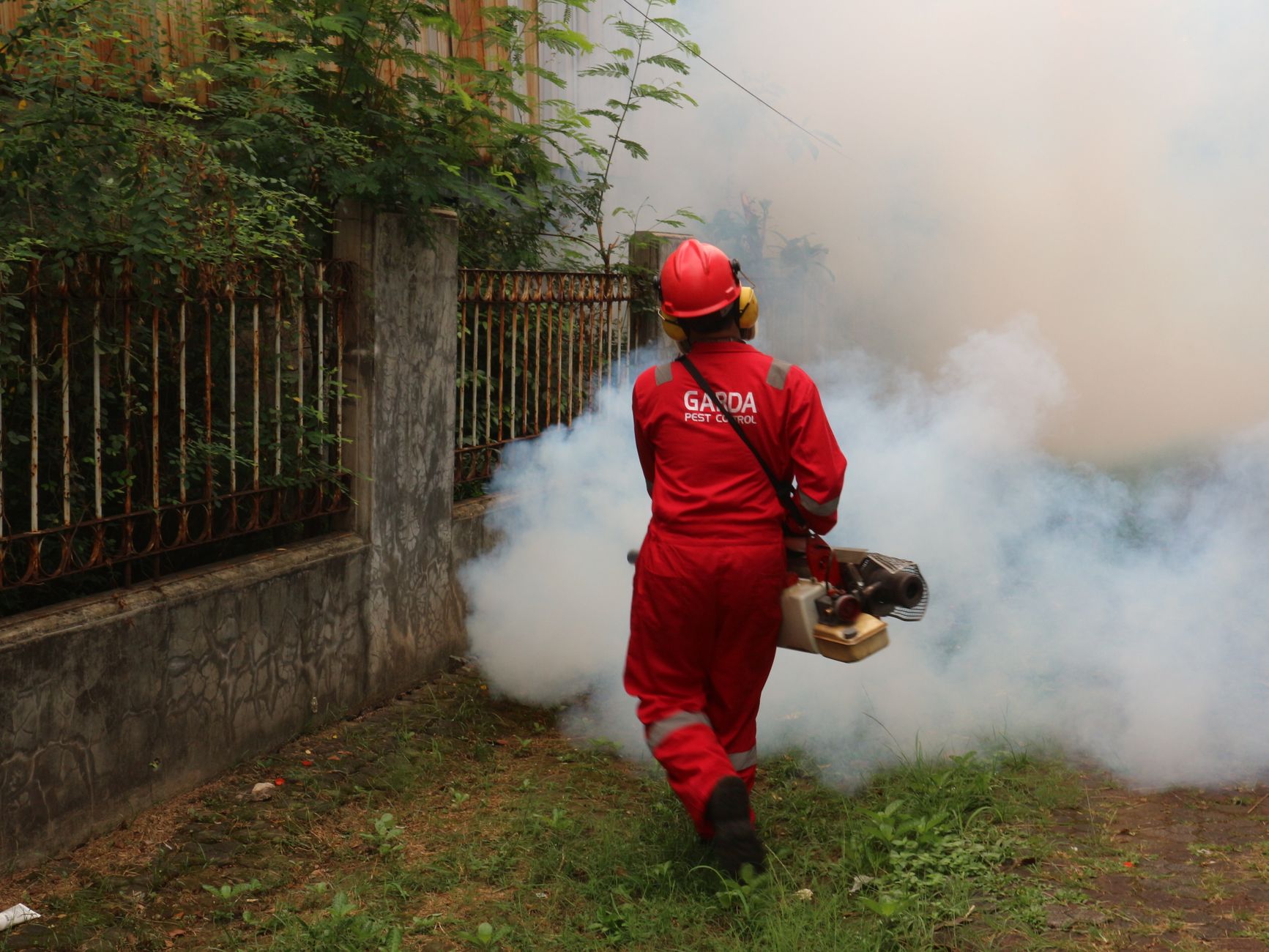
Pesticide-free mosquito control is being tested at a Raleigh soccer park, aiming to provide a safer environment for players and families. This innovative approach could change how communities manage mosquito populations.
The Importance of Pesticide-Free Solutions
The rising concern over the health implications of chemical pesticides has led to an increased interest in pesticide-free mosquito control methods. These solutions not only aim to reduce mosquito populations but also prioritize the safety of children, pets, and the environment. As communities seek effective ways to manage mosquito-borne diseases, the importance of adopting natural alternatives cannot be overstated.
One notable initiative was recently demonstrated by the NCFC Youth, who tested various pesticide-free techniques at a local soccer park in Raleigh. This project highlights the potential for community engagement in safe mosquito control practices.
Some of the key benefits of using pesticide-free solutions include:
- Reduced chemical exposure for families and pets
- Lower environmental impact
- Promotion of biodiversity by protecting beneficial insect populations
- Community empowerment through education and involvement
Ultimately, embracing pesticide-free mosquito control can lead to healthier outdoor spaces and a sustainable approach to pest management.
How NCFC Youth is Leading the Way
The NCFC Youth organization is taking significant steps in promoting pesticide-free mosquito control methods at the Raleigh soccer park. This initiative not only demonstrates their commitment to environmental sustainability but also showcases innovative approaches to pest management.
Through hands-on testing, these young athletes and their coaches are actively engaging in practices that prioritize safety and health. The team has implemented several strategies, including:
- Biological control: Utilizing natural predators to keep mosquito populations in check.
- Source reduction: Eliminating standing water where mosquitoes breed.
- Community education: Raising awareness about the benefits of pesticide-free alternatives among players and local residents.
By leading this initiative, NCFC Youth is not only providing a safer environment for athletes but also inspiring other organizations to consider sustainable practices in their mosquito control efforts.
Benefits of Mosquito Control Without Chemicals
Implementing pesticide-free mosquito control offers numerous benefits that can significantly impact both the environment and community health. By avoiding harmful chemicals, communities can protect local ecosystems and promote biodiversity.
Some key advantages of adopting a pesticide-free approach include:
- Healthier Communities: Reducing chemical exposure decreases health risks for residents, particularly vulnerable populations such as children and pets.
- Environmental Protection: Natural methods help preserve beneficial insect populations, such as bees and butterflies, which are essential for pollination.
- Cost-Effective Solutions: Many pesticide-free mosquito control methods, like habitat management and biological controls, can be more sustainable in the long run.
- Community Engagement: Involving locals in mosquito control efforts fosters a sense of responsibility and awareness about environmental health.
These benefits highlight why pesticide-free mosquito control is not only a safe alternative but also a proven method to create healthier living environments.
Community Reactions to New Methods
Community members have expressed mixed reactions to the recent implementation of pesticide-free mosquito control methods tested by NCFC Youth at the Raleigh soccer park. While some residents are enthusiastic about the potential health benefits, others remain skeptical about the effectiveness of these new techniques.
Supporters of the pesticide-free approach highlight several key advantages:
- Improved safety for children and pets who frequent the park.
- Reduction of chemical exposure in the environment.
- Encouragement of local biodiversity by protecting non-target species.
On the other hand, critics question whether these methods can truly keep mosquito populations at bay. Some residents have voiced concerns about the long-term effectiveness of non-chemical solutions, preferring traditional methods they believe offer immediate results.
As the community continues to evaluate the impact of these pesticide-free mosquito control strategies, ongoing discussions and feedback will be essential in shaping future initiatives.
Future of Pest Management in Sports Facilities
The future of pest management in sports facilities is leaning towards innovative and sustainable practices. As concerns about the environmental and health impacts of traditional pesticides grow, many organizations are exploring pesticide-free mosquito control methods. These alternatives not only safeguard the well-being of players and spectators but also promote a healthier ecosystem.
Recent trials at Raleigh soccer park have demonstrated the effectiveness of these new approaches. Key strategies include:
- Utilizing natural predators, such as bats and birds, to keep mosquito populations in check.
- Implementing habitat management techniques that reduce standing water where mosquitoes breed.
- Adopting biological controls, like introducing beneficial nematodes that target mosquito larvae.
As sports facilities adopt these methods, they set a precedent for other recreational areas, fostering a movement toward safer, more responsible pest management. The shift not only enhances player safety but also strengthens community ties through a shared commitment to environmental stewardship.
Photo by Garda Pest Control Indonesia on Pexels