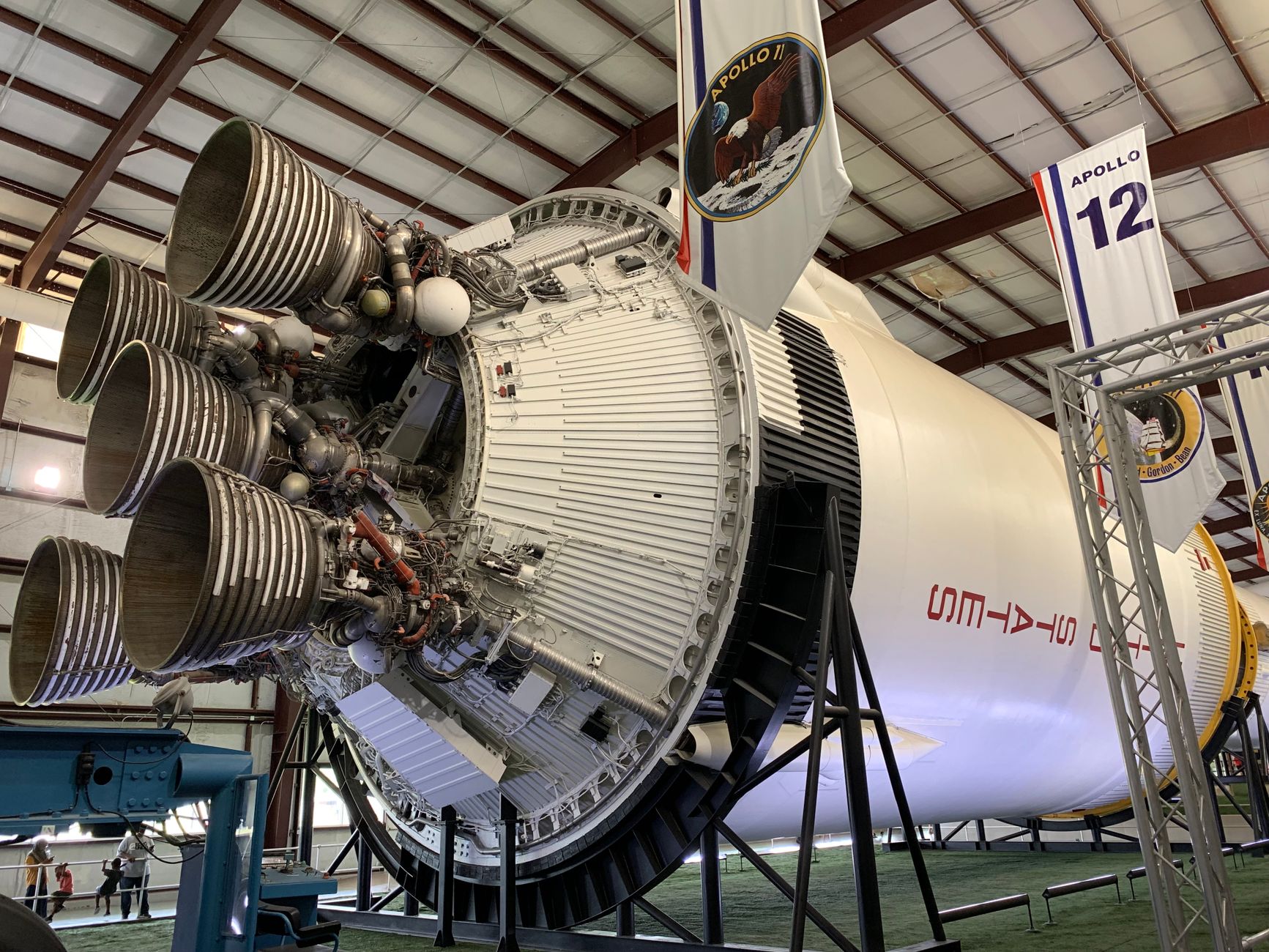
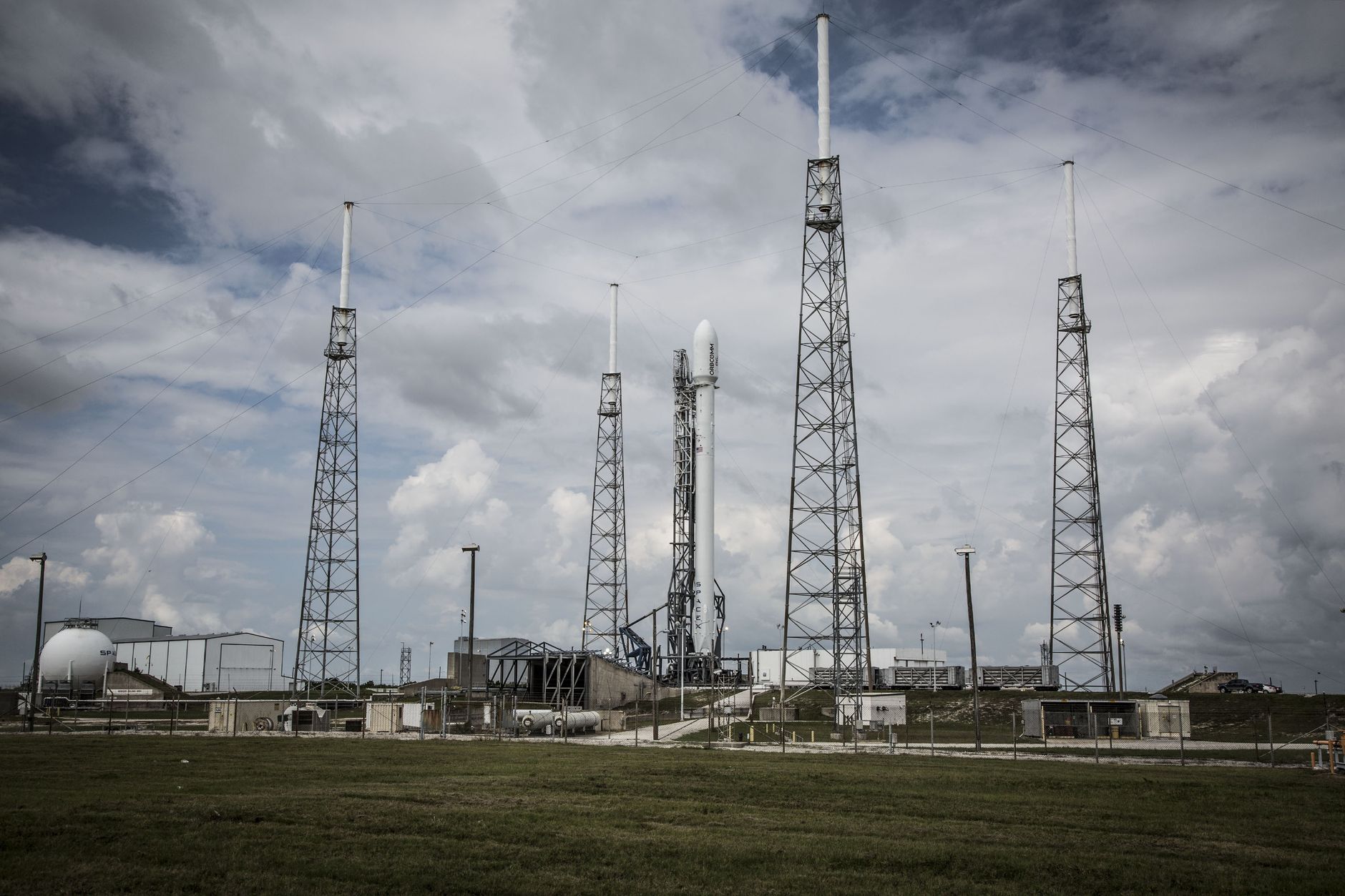
Gaganyaan Mission is gearing up for its first uncrewed flight in December 2026, marking a significant milestone for India’s space ambitions. This mission aims to demonstrate India’s capabilities in human spaceflight.
Overview of the Gaganyaan Mission
The Gaganyaan Mission represents India’s ambitious leap into human spaceflight, aiming to send Indian astronauts into low Earth orbit. This landmark project, spearheaded by the Indian Space Research Organisation (ISRO), showcases India’s growing capabilities in space exploration.
Scheduled for its first uncrewed flight in December 2026, the Gaganyaan Mission will involve a series of critical tests to ensure the safety and reliability of the spacecraft. Key components of the mission include:
- Launch Vehicle: The Gaganyaan spacecraft will be launched aboard the GSLV Mk III, India’s most powerful rocket to date.
- Astronaut Training: Selected candidates are undergoing rigorous training to prepare for the challenges of space travel.
- Safety Measures: The mission prioritizes astronaut safety with advanced life support systems and emergency protocols in place.
- Scientific Research: The mission aims to conduct experiments that can benefit life on Earth and enhance our understanding of space.
As the Gaganyaan Mission approaches its uncrewed flight, it symbolizes a new era for India’s space ambitions, promising to inspire generations and position India as a key player in global space exploration.
Timeline for the Uncrewed Flight
The Gaganyaan Mission is poised to embark on its initial journey with an uncrewed flight scheduled for December 2026. This mission is a significant milestone in India’s quest for space exploration, reflecting the nation’s growing capabilities in aerospace technology.
The timeline leading up to the uncrewed flight includes several critical phases:
- 2023: Preparatory tests and system validations take place, ensuring all components are ready for the mission.
- 2024: The Gaganyaan team plans to conduct a series of trials, including engine tests and simulations, to demonstrate the reliability of the spacecraft.
- 2025: A final review will confirm the readiness of the Gaganyaan spacecraft for its first uncrewed mission.
- December 2026: Launch of the uncrewed flight, which will test the spacecraft’s systems in space and collect valuable data for future crewed missions.
This timeline not only underscores the meticulous planning behind the Gaganyaan Mission but also highlights India’s ambition to become a significant player in the global space arena.
Significance of India’s Space Program
The significance of India’s space program, particularly with the Gaganyaan Mission, extends beyond mere exploration. The mission aims to position India as a notable player in the global space arena, showcasing its advancements in technology and engineering.
As the first attempt to send humans into space, the Gaganyaan Mission reflects India’s growing capabilities in space research and development. This initiative is expected to inspire a new generation of scientists and engineers, fostering interest in STEM (Science, Technology, Engineering, and Mathematics) fields across the nation.
Moreover, the mission is set to enhance international collaborations, as India partners with various countries and organizations for technical expertise and resources. The Gaganyaan Mission will not only solidify India’s reputation as a space-faring nation but also contribute to global scientific advancements.
Key aspects of the significance of India’s space program include:
- Technological Innovation: Development of advanced technologies for space travel.
- Economic Growth: Boosting the space sector’s contribution to the economy.
- Global Standing: Enhancing India’s status in international space exploration.
- Inspiration: Motivating future generations to pursue careers in science and engineering.
Technological Innovations in Gaganyaan
The Gaganyaan Mission represents a significant leap in India’s space exploration capabilities, showcasing a range of technological innovations that underscore its ambitious goals. This mission aims to send Indian astronauts into space, and to achieve this, several cutting-edge technologies have been developed.
One of the most notable innovations is the crew module, designed to ensure the safety and comfort of astronauts during their journey. This module is equipped with advanced life support systems that can sustain the crew in a microgravity environment. Additionally, the mission utilizes state-of-the-art launch vehicle technology, specifically the GSLV Mk III, which has been enhanced for reliability and performance.
Another key development is the integration of autonomous systems that allow for real-time monitoring and control of the spacecraft. These systems are designed to handle various contingencies, ensuring the safety of the crew during the mission. Moreover, the Gaganyaan Mission incorporates advanced navigation and communication technologies, enabling seamless connectivity with ground control.
- Innovative crew module with enhanced life support
- Reliable GSLV Mk III launch vehicle
- Autonomous monitoring systems for safety
These innovations not only reflect India’s growing expertise in space technology but also position the Gaganyaan Mission as a pivotal step in the country’s space odyssey.
Future Plans for Human Spaceflight
The future of human spaceflight in India looks promising, particularly with the ambitious Gaganyaan Mission on the horizon. Following the successful uncrewed test flights, the Indian Space Research Organisation (ISRO) plans to advance its capabilities further.
Upcoming initiatives include:
- Extended Crewed Missions: ISRO aims to conduct missions with astronauts aboard, targeting a launch window that could begin in late 2027.
- International Collaborations: Partnerships with other space agencies are in the works to enhance research and technology exchange.
- Space Station Development: Plans for a modular space station are under consideration, which would serve as a platform for long-duration human spaceflight.
- Research and Development: Continued investment in R&D will focus on life support systems, spacecraft design, and safety protocols.
As India seeks to solidify its position in the global space race, the Gaganyaan Mission is expected to play a crucial role in inspiring future generations of scientists and engineers. The vision is clear: to make human space exploration more accessible and sustainable in the years to come.
References
You might also like
Is the Affordable Smartwatch from Vivo Worth It? · Navy satellite testing: Proven support from AEDC at 75 · AI adoption in India: The Worst Skills Shortage Revealed