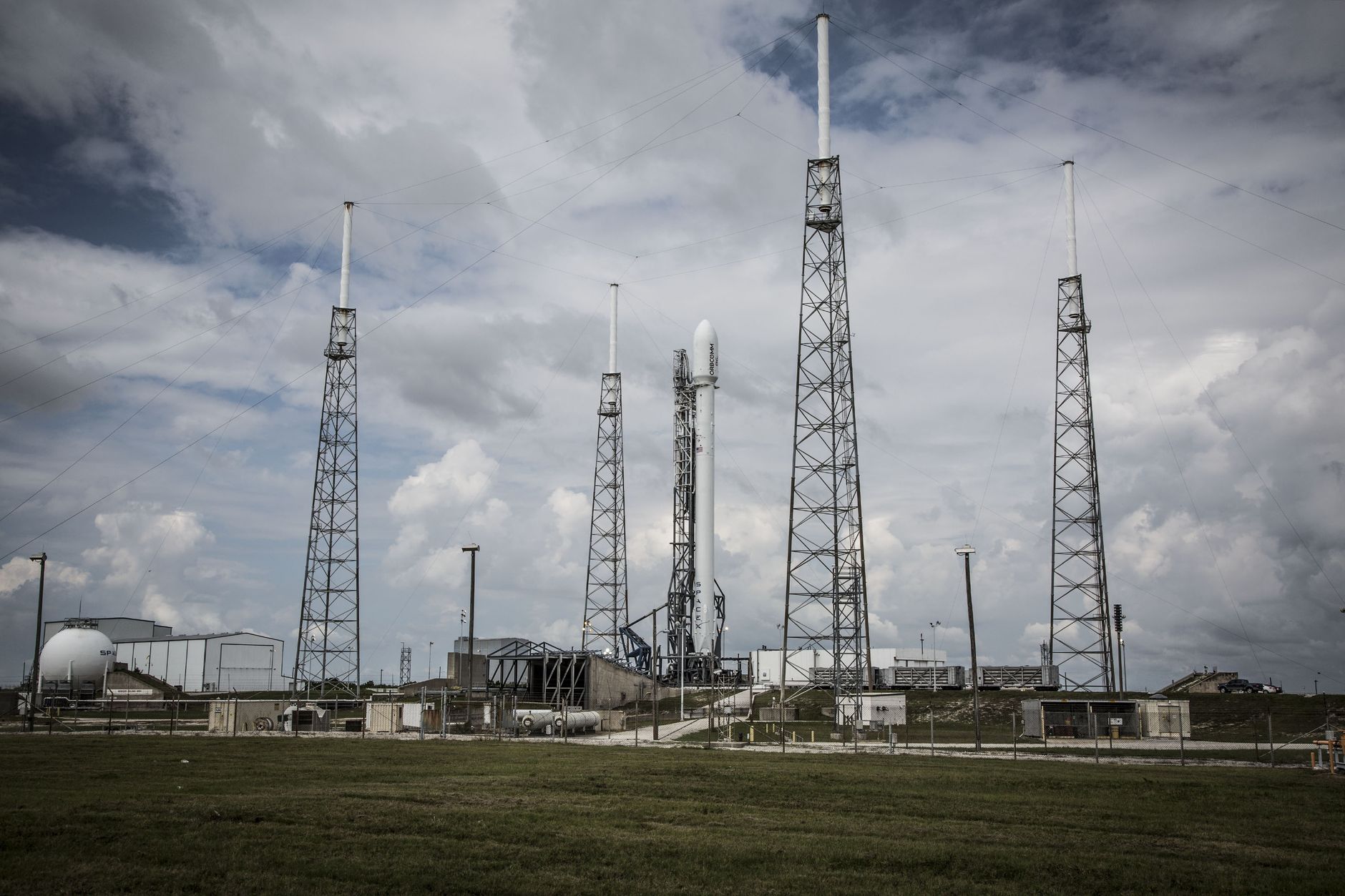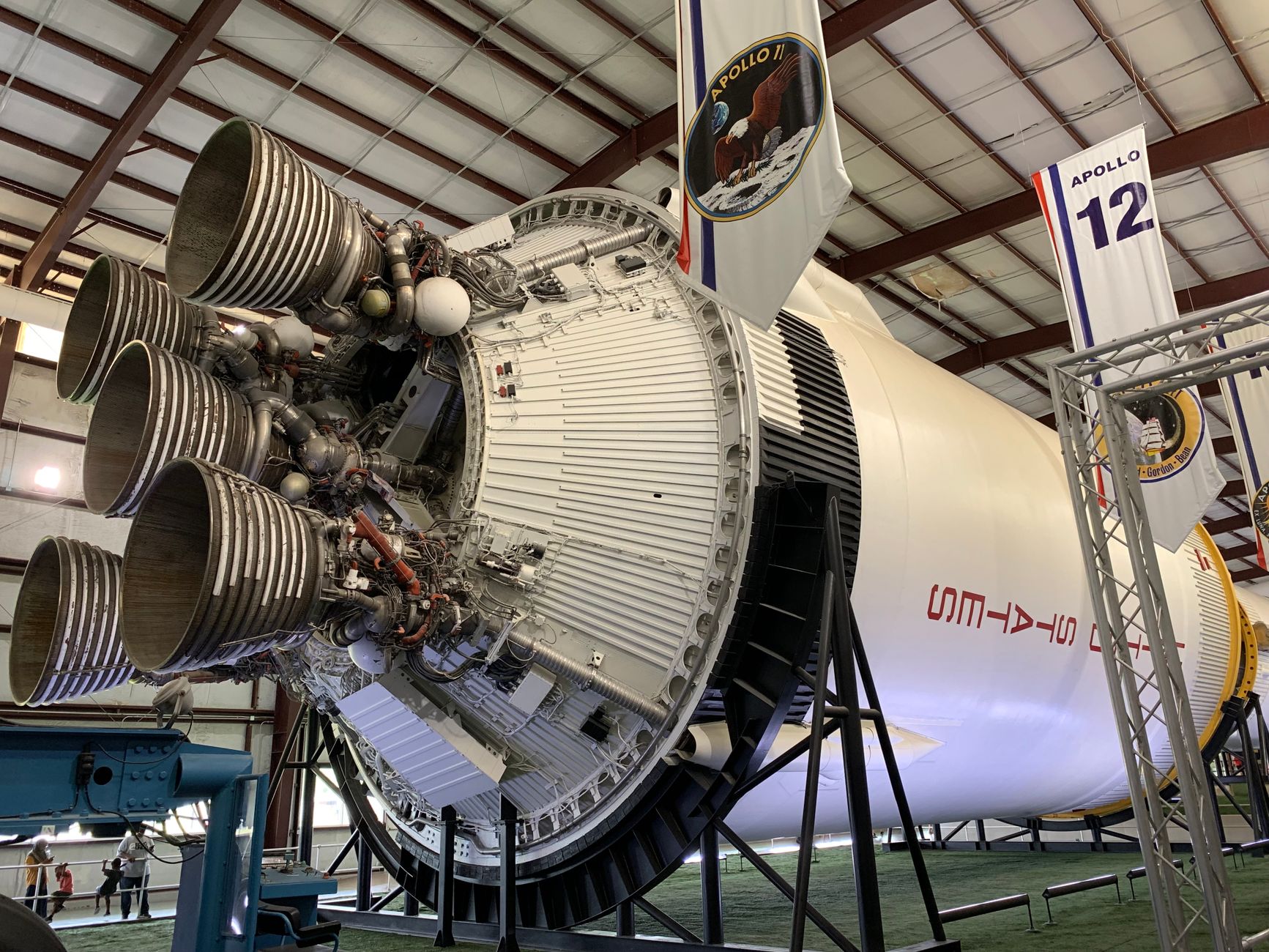
Apollo 4 launch was a groundbreaking event in space history, representing NASA’s first mission from Kennedy Space Center.
The Significance of Apollo 4 Launch
The Apollo 4 launch, which occurred 59 years ago, marked a pivotal moment in space exploration history. As the first uncrewed test flight of the Apollo program, it was significant for several reasons.
- Validation of Technology: The launch served as a crucial validation of the Saturn V rocket, which would later carry astronauts to the Moon.
- Testing Systems: Apollo 4 was designed to test various spacecraft systems, ensuring they would function correctly during future crewed missions.
- Inspiration and Momentum: The successful launch provided a much-needed boost to NASA’s Apollo program, inspiring confidence in the United States’ ability to achieve lunar landing goals.
Additionally, the launch demonstrated the effectiveness of the Kennedy Space Center as a launch site, setting the stage for subsequent missions. The Apollo 4 launch not only proved the capabilities of the technology but also solidified America’s leadership in the space race during a critical era. It remains a celebrated milestone, showcasing the spirit of innovation and exploration that continues to drive space missions today.
NASA’s Achievements at Kennedy Space Center
NASA’s Kennedy Space Center has been the epicenter of numerous groundbreaking achievements in space exploration, with the Apollo 4 launch marking a significant milestone in the center’s history. This historic event, which took place 59 years ago, represented the inaugural launch from this iconic facility, showcasing the center’s capabilities and vision.
Over the years, Kennedy Space Center has been pivotal in advancing human spaceflight and exploration. Some of the key achievements include:
- Development of the Saturn V Rocket: The Apollo program relied on this powerful launch vehicle, which facilitated missions to the Moon.
- Launch of Space Shuttle Missions: The center served as the launch site for the Space Shuttle program, enabling numerous scientific and exploratory missions.
- Human Spaceflight Innovations: Kennedy has been at the forefront of developing technologies that ensure the safety and success of astronauts.
The Apollo 4 launch was not just a test of hardware; it was a demonstration of human ingenuity and the relentless pursuit of knowledge beyond our planet. As we reflect on this event, it is clear that the center’s contributions continue to inspire future generations of explorers.
Key Milestones in Space Exploration
Throughout the history of space exploration, numerous key milestones have marked humanity’s journey into the cosmos. The Apollo 4 launch stands out as a pivotal moment, showcasing technological advancements and the spirit of exploration.
- Vostok 1 (1961): The first human spaceflight, carrying Yuri Gagarin into orbit, which set the stage for future manned missions.
- Apollo 11 (1969): The historic mission that accomplished the first moon landing, with Neil Armstrong and Buzz Aldrin taking humanity’s first steps on the lunar surface.
- Skylab (1973): The first American space station, allowing extended human presence in space and conducting scientific experiments.
- Space Shuttle Program (1981-2011): Revolutionized space travel, enabling reusable spacecraft and numerous missions that contributed to the construction of the International Space Station.
- Curiosity Rover (2012): A groundbreaking mission exploring Mars, providing invaluable data about the planet’s potential for life.
Each of these milestones, including the Apollo 4 launch, represents humanity’s relentless pursuit of knowledge and exploration beyond our home planet.
Apollo 4 Launch: A Historical Overview
The Apollo 4 launch, which took place on November 9, 1967, marked a significant milestone in the history of space exploration. As the first uncrewed test flight of the Apollo spacecraft, it served as a crucial step in validating the systems and technologies that would ultimately carry astronauts to the Moon. The mission was essential for demonstrating the capabilities of the Saturn V rocket, which successfully propelled the spacecraft into orbit.
The launch took place from NASA’s Kennedy Space Center, highlighting the importance of this site in the agency’s efforts to advance human spaceflight. The Apollo 4 mission tested various components, including the command module and the service module, ensuring that they could withstand the harsh conditions of space. Key objectives included:
- Testing the Saturn V launch vehicle performance
- Assessing the spacecraft’s systems in a low Earth orbit
- Gathering data for future crewed Apollo missions
This successful mission not only validated the Apollo program’s design but also boosted public confidence in NASA’s ability to send humans to the Moon. As a result, the Apollo 4 launch remains a celebrated event in the annals of space history.
Photo by Javier Mendoza on Pexels