
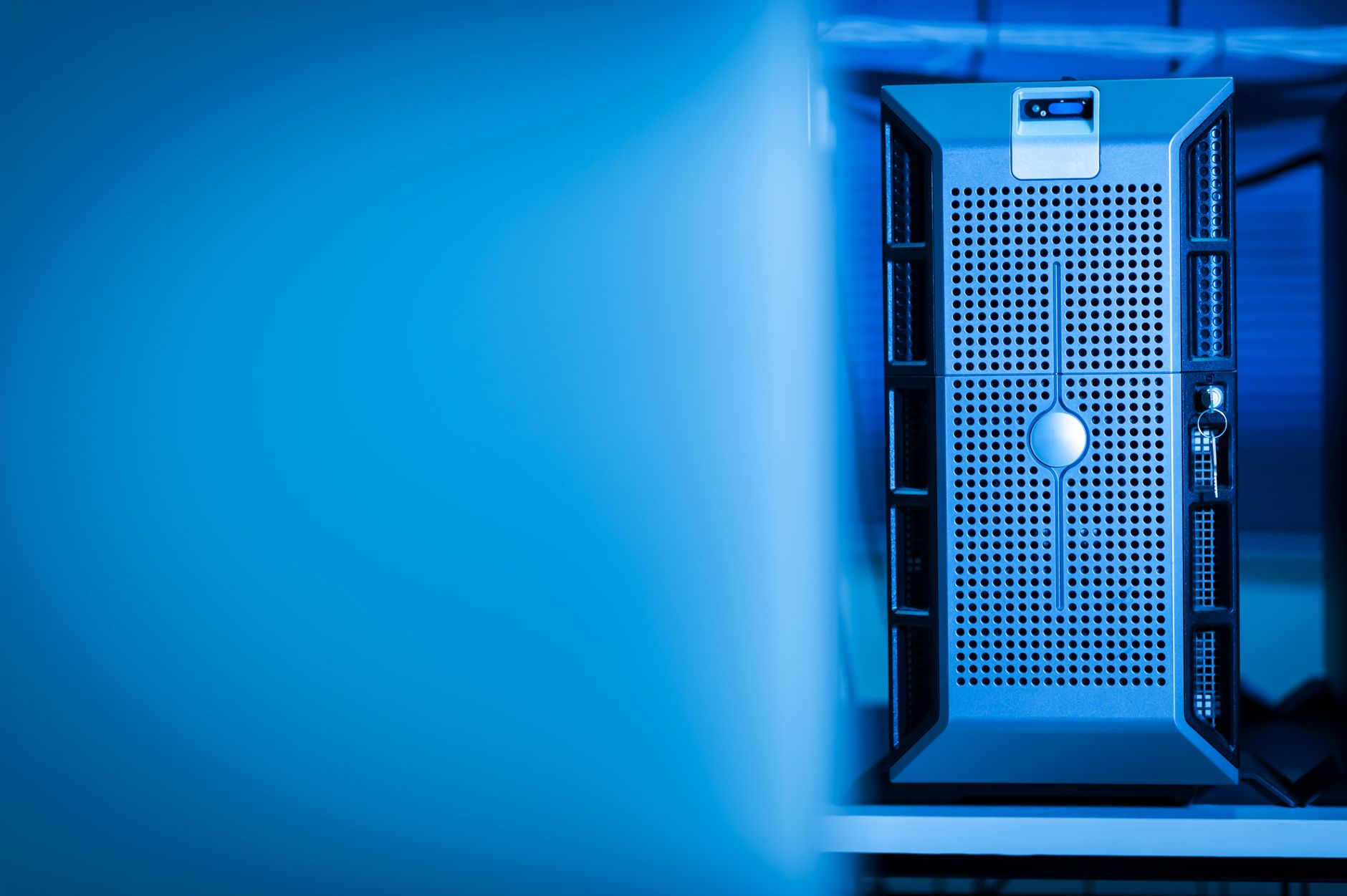
AI data center technology is rapidly evolving, and Shenzhen Longsys Electronics has secured $903 million in funding to enhance its capabilities. This significant investment aims to expand their AI-driven solutions.
Overview of AI Data Center Technology
As the demand for advanced computing power continues to rise, AI data center technology has emerged as a vital component for modern enterprises. This technology enables organizations to process vast amounts of data quickly and efficiently, facilitating innovations in artificial intelligence, machine learning, and big data analytics.
AI data centers are designed to optimize performance through a combination of specialized hardware and software. Key features of these centers include:
- High-performance computing clusters that can handle complex algorithms.
- Advanced cooling systems to manage the heat generated by intensive computational tasks.
- Energy-efficient power management to reduce operational costs.
- Scalable architectures that allow for easy expansion as data needs grow.
With significant investments, such as the recent $903 million funding secured by Shenzhen Longsys Electronics, the future of AI data center technology looks promising. This financial backing aims to enhance capabilities and drive further advancements in the sector.
Recent Funding Trends in AI
Recent funding trends in the AI data center technology sector reveal a significant surge in financial support aimed at enhancing infrastructure and capabilities. One notable example is Shenzhen Longsys Electronics, which recently secured $903 million in funding. This substantial investment is poised to accelerate the company’s efforts in advancing AI data center technology.
The growing interest from investors highlights several key factors driving this trend:
- Increased Demand: As businesses increasingly adopt AI-driven solutions, the need for robust data center technology has never been greater.
- Technological Advancements: Innovations in cooling systems, energy efficiency, and processing power are making AI data centers more efficient and sustainable.
- Strategic Partnerships: Companies are forming alliances to leverage each other’s strengths, further enhancing their capabilities in AI technology.
Overall, the influx of funding indicates a promising future for AI data center technology, as it continues to evolve in response to market demands and technological advancements.
Impact of AI on Data Center Efficiency
The impact of AI data center technology on operational efficiency is becoming increasingly evident as organizations seek to optimize their infrastructure. By leveraging AI, data centers can enhance performance through numerous innovative strategies.
One of the significant advantages of AI integration is improved energy management. AI algorithms can analyze energy consumption patterns and adjust settings in real-time, leading to substantial reductions in operational costs. Furthermore, predictive maintenance powered by AI can identify potential equipment failures before they happen, minimizing downtime and extending the life of critical hardware.
Additionally, AI-driven resource allocation can streamline workloads, ensuring that servers operate at peak efficiency. This not only boosts processing speed but also optimizes physical space within data centers, allowing for greater scalability.
As companies like Shenzhen Longsys Electronics secure funding to enhance their AI data center technology, the industry is likely to witness a significant transformation that prioritizes efficiency and sustainability.
Shenzhen Longsys Electronics’ Expansion Plans
Shenzhen Longsys Electronics has recently secured $903 million in funding, aimed at bolstering its AI data center technology initiatives. This significant investment will support the company’s expansion plans, which include enhancing infrastructure and increasing capacity to meet the growing demand for AI-driven solutions.
The funding is expected to facilitate several key projects:
- Infrastructure Development: Longsys aims to build state-of-the-art data centers equipped with advanced AI capabilities.
- Research and Development: A portion of the funds will be allocated to R&D, focusing on innovative technologies that improve data processing and efficiency.
- Strategic Partnerships: The company plans to collaborate with other tech firms to integrate cutting-edge AI solutions into its data centers.
As Shenzhen Longsys Electronics moves forward with its expansion plans, the impact on the AI data center landscape could be profound, potentially setting new benchmarks in technology and operational efficiency.
Challenges in AI Data Center Implementation
The implementation of AI data center technology presents several challenges that organizations must navigate to optimize their operations effectively. One of the primary hurdles is the integration of existing infrastructure with new AI systems. Many data centers are built on legacy frameworks that may not support the latest AI advancements, requiring significant upgrades or complete overhauls.
Additionally, there is the challenge of managing high energy consumption associated with AI workloads. As AI models become more complex, the demand for computational power increases, leading to higher operational costs and environmental concerns.
Another critical challenge lies in data management. Effective AI data center technology relies on large volumes of data, necessitating robust data governance frameworks to ensure security and compliance.
- Integration of Legacy Systems: Upgrading infrastructure can be costly and time-consuming.
- Energy Consumption: High operational costs and environmental impact.
- Data Management: Need for effective governance and security.
Addressing these challenges is vital for maximizing the benefits of AI data centers.
Future of AI in Business Technology
The future of AI in business technology is poised for transformative growth, particularly through advancements in AI data center technology. As companies increasingly rely on data-driven decision-making, the integration of artificial intelligence into data centers is becoming essential for maintaining competitive advantages.
Several key trends are anticipated to shape this landscape:
- Increased Automation: AI data center technology will lead to more automated systems, reducing human intervention and enhancing operational efficiency.
- Enhanced Data Processing: Organizations will leverage AI to process vast amounts of data in real-time, enabling quicker insights and improved business strategies.
- Green Technologies: As sustainability becomes a priority, AI will help optimize energy consumption within data centers, aligning operational goals with environmental responsibility.
- Edge Computing Growth: The rise of edge computing will necessitate more localized AI solutions, pushing businesses to adopt cutting-edge data center technologies.
Overall, the future of AI in business technology is bright, with AI data center technology leading the charge towards innovation and efficiency.
Photo by panumas nikhomkhai on Pexels
Sources
Annual Recharge Comparison: Best Value Plans for 2023 · Mokobara Series C Funding: Smart Move Raises Rs 170 Cr · Wildlife Corridor Napa Valley: Proven Benefits for Ecosystems