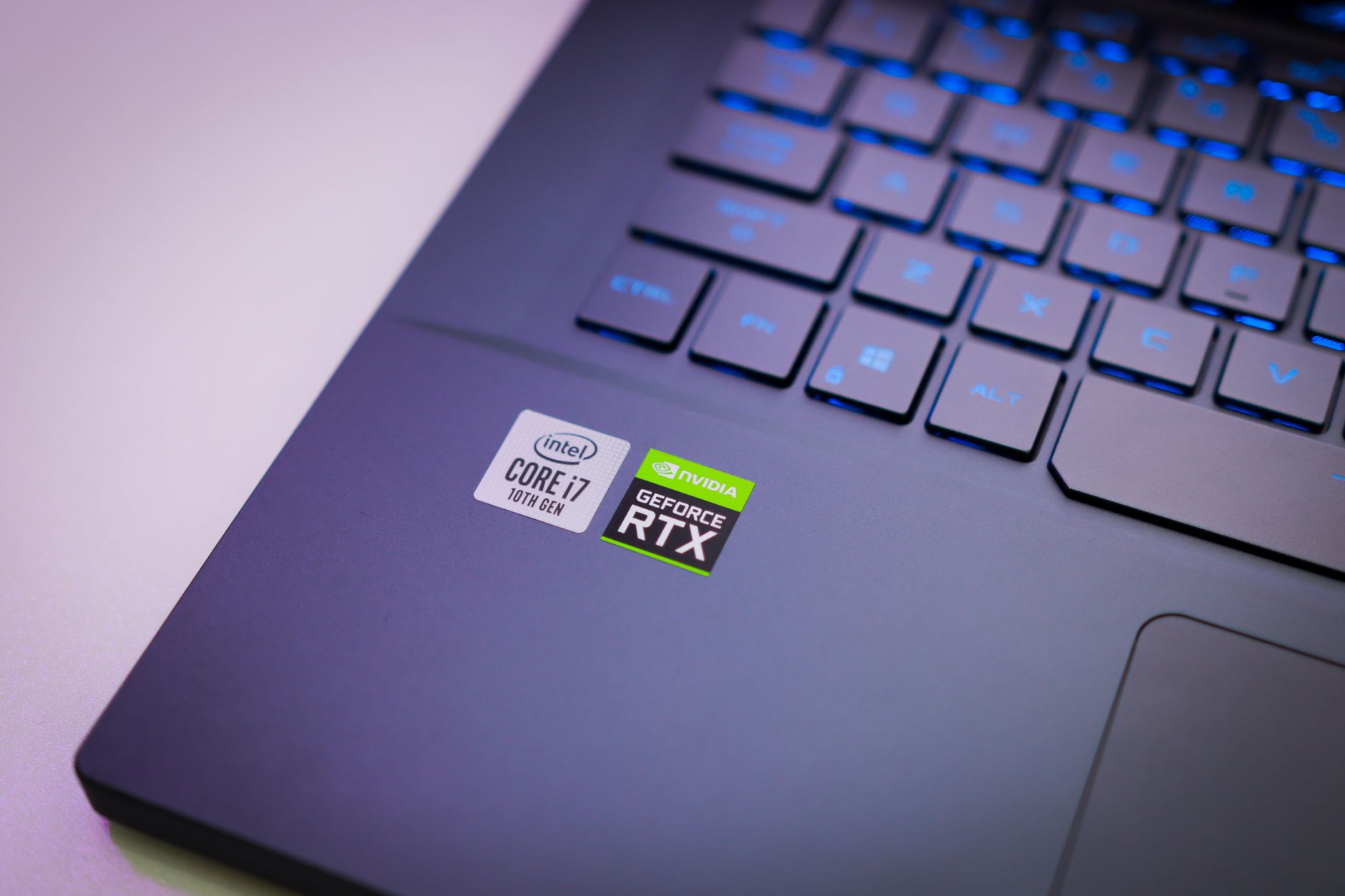
Nvidia GPU prices are rising, even as the stock continues to decline. This trend raises questions about the market and future of older chips.
Current Trends in GPU Pricing
In recent months, the landscape of Nvidia GPU prices has seen significant shifts, raising questions among consumers and industry analysts alike. As demand for gaming and AI applications continues to surge, the prices for Nvidia’s older chips have begun to climb, even as their availability in the market decreases.
Many experts attribute this trend to several factors:
- Increased Demand: The popularity of gaming and the rise of artificial intelligence technologies have created a heightened demand for powerful graphics processing units.
- Supply Chain Issues: Ongoing supply chain disruptions have made it difficult for manufacturers to keep up with production, leading to a scarcity of Nvidia GPUs.
- Market Speculation: As prices rise, speculation among retailers and consumers can further inflate costs, creating an unpredictable pricing environment.
Despite the rising Nvidia GPU prices, many enthusiasts are still willing to invest in older models, believing that their performance justifies the cost. However, potential buyers should weigh the benefits of purchasing a new GPU against the increasing prices and consider whether these older models will meet their future gaming or computational needs.
Impact of Stock Levels on Prices
The impact of stock levels on Nvidia GPU prices has become increasingly evident in recent months. As supply diminishes, consumers are left to grapple with the rising costs of these essential components for gaming and professional applications.
Several key factors contribute to this situation:
- Decreased Production: Nvidia has shifted some of its focus towards newer models, leading to a decline in the production of older chips. This has resulted in a decreased supply of these GPUs in the market.
- Increased Demand: As gaming and AI applications continue to grow in popularity, the demand for Nvidia GPUs remains strong. This heightened interest further exacerbates the imbalance between supply and demand.
- Market Speculation: With the anticipation of future releases, some retailers and consumers are speculating on price increases. This has led to a tendency to hoard stock, which in turn drives prices even higher.
While some might argue that the rising costs associated with Nvidia GPU prices reflect their performance and capabilities, the reality is that decreasing stock levels are playing a significant role in shaping the market. As consumers navigate these price fluctuations, understanding the underlying factors will be crucial for making informed purchasing decisions.
Why Are Nvidia GPU Prices Rising?
The recent surge in Nvidia GPU prices has raised questions among consumers and tech enthusiasts alike. Understanding the reasons behind this trend is essential for those considering an investment in graphics cards.
One major factor contributing to the rise in prices is the increasing demand for gaming and high-performance computing. With more people turning to gaming and content creation, the need for powerful GPUs has intensified. Nvidia has consistently been at the forefront of this market, leading to heightened competition for their products.
Additionally, the current global supply chain disruptions have exacerbated the situation. Manufacturing delays and shortages of key components have limited the availability of Nvidia GPUs, driving prices even higher. The combination of reduced stock levels and surging demand creates a perfect storm for elevated pricing.
Another aspect to consider is the evolving technology landscape. As new models are introduced, older generations of Nvidia GPUs are still holding their value. Collectors and gamers seeking to upgrade their systems are willing to pay a premium for these chips, further inflating prices.
In summary, the rising cost of Nvidia GPU prices can be attributed to a mix of heightened demand, supply chain issues, and the enduring value of older models. Consumers are left to weigh their options carefully before making significant purchases.
Market Predictions for Nvidia Chips
The market predictions for Nvidia chips suggest a continued upward trend in prices, driven by various factors that influence supply and demand dynamics. Analysts are closely monitoring the situation as Nvidia GPU prices have shown a surprising resilience, even for older models that were once considered more affordable.
Several key factors are contributing to these rising prices:
- Supply Chain Constraints: Ongoing disruptions in the global supply chain have led to shortages in semiconductor production, impacting the availability of Nvidia GPUs.
- Increased Demand: The demand for gaming and AI applications is surging, causing enthusiasts and developers alike to seek out Nvidia’s offerings, further straining supply.
- Market Speculation: Investors and consumers alike are speculating on future price increases, which can lead to higher purchase prices today as buyers rush to acquire GPUs before they become even more expensive.
- Technological Advancements: As newer models are released, older GPUs, including those from Nvidia, may see a spike in price as they become perceived as valuable alternatives for those unable to acquire the latest technology.
In summary, with the current market dynamics, Nvidia GPU prices may not only remain high but could continue to rise, making it imperative for consumers to consider their options carefully before making a purchase.
Consumer Reactions to Price Changes
Consumer reactions to the rising prices of Nvidia GPUs have been mixed, reflecting a blend of frustration and acceptance. Many gamers and tech enthusiasts have voiced their concerns on social media platforms, expressing dissatisfaction with the increasingly high costs associated with Nvidia’s graphics cards. A common sentiment is that the Nvidia GPU prices are becoming unsustainable for the average consumer.
Some users have taken to online forums to discuss their experiences with price hikes, sharing anecdotes about how they delayed upgrades in anticipation of potential sales or price reductions. However, others have noted that waiting may not be a viable option as new models continue to fetch premium prices.
Several factors contribute to this reaction:
- Scarcity of Stock: Limited availability has led consumers to feel pressured to purchase quickly, often resulting in impulse buys at inflated prices.
- Perceived Value: Many gamers are struggling to justify spending large sums on older models, particularly as newer GPUs promise better performance.
- Community Sentiment: The gaming community is rife with discussions about whether the price increases reflect a fair market or exploitative practices.
As consumers navigate this challenging landscape, the debate over the worth of Nvidia GPU prices continues to evolve.
Analyzing the Future of Nvidia GPUs
As the landscape of technology continues to evolve, the future of Nvidia GPUs remains a hot topic among enthusiasts and consumers alike. The recent surge in Nvidia GPU prices has sparked discussions regarding the longevity and viability of older models in the market. Many are left wondering if investing in these rising costs is truly justified.
One key factor influencing the future of Nvidia GPUs is the increasing demand for advanced graphics capabilities across various sectors, from gaming to artificial intelligence. This demand is likely to push prices upward, even for older models. Additionally, as new generations of GPUs are released, older ones may see a temporary spike in value due to scarcity, further complicating the pricing landscape.
Industry experts predict that while the current trend of high prices may stabilize over time, the overall trajectory will likely remain upward. Consumers are advised to carefully assess their needs and budget before making a purchase. Factors such as performance, longevity, and potential resale value should weigh heavily in their decision-making process.
- Demand for gaming and AI: Continuous growth fuels price increases.
- Market volatility: New releases may affect older models’ pricing.
- Consumer strategy: Evaluate needs against rising Nvidia GPU prices.
Sources
Related stories
My Arms Are Longer Now: Exciting Release Date Confirmed! · Tesla FSD v15 Release: Best Features You’ll Love · Milky Way structure: What is the real truth behind it?