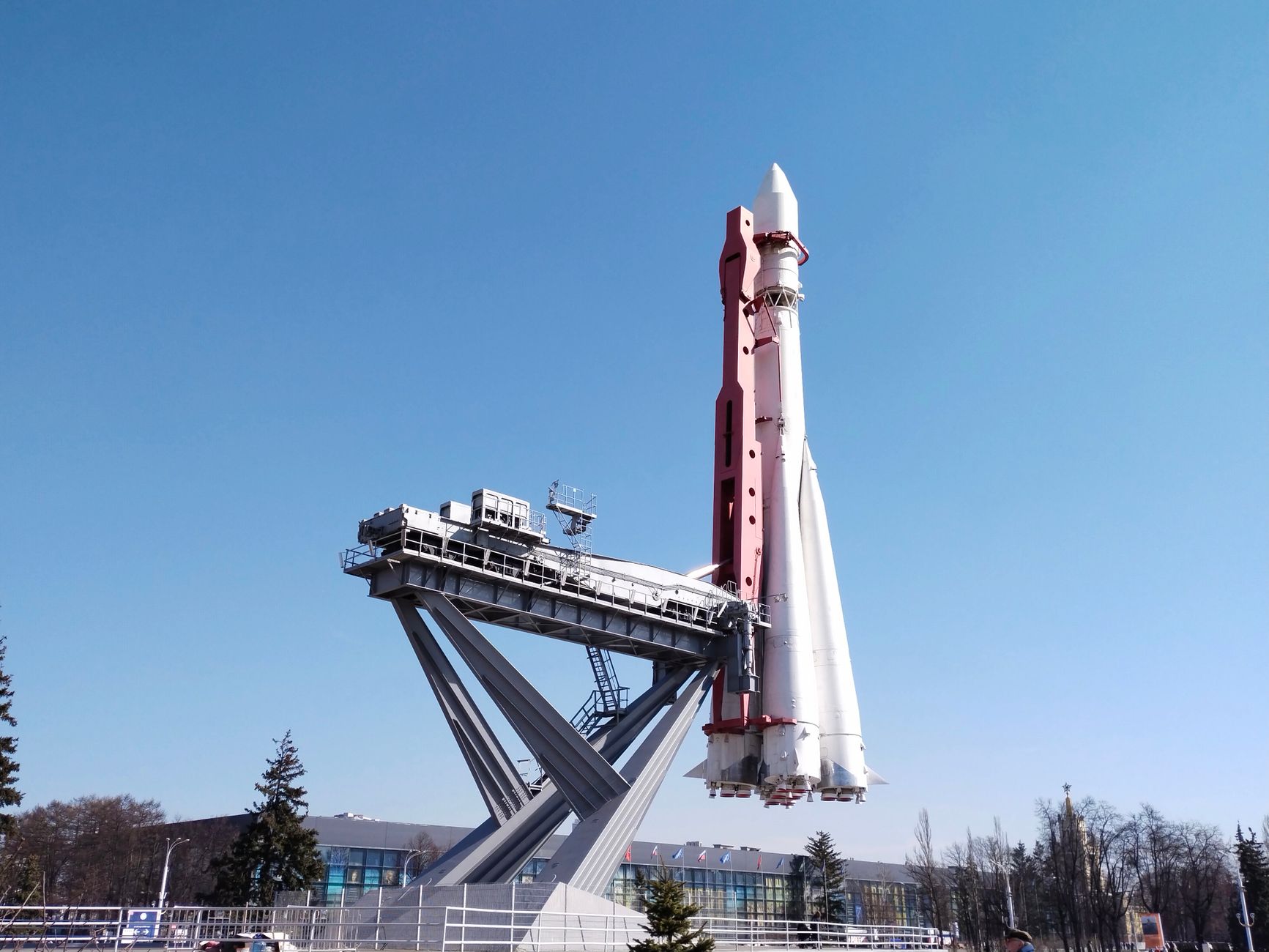
Russia crew spacecraft has officially entered testing after nearly two decades of development, marking a significant milestone in space exploration technology.
Overview of Russia’s New Crew Spacecraft
Russia’s new crew spacecraft marks a significant milestone in space exploration, having undergone nearly two decades of development. This innovative vehicle is designed to transport astronauts to and from the International Space Station and beyond, showcasing the evolution of Russian space technology.
One of the most notable features of the Russia crew spacecraft is its advanced safety systems, which aim to ensure the well-being of its crew during missions. The spacecraft is equipped with state-of-the-art emergency protocols and robust structural integrity, setting a new standard for crewed space missions.
The design process has involved extensive testing, both in simulation environments and in real-world conditions. This rigorous approach has led many experts to suggest that it may be one of the best-tested designs ever in the history of crew spacecraft development.
Moreover, the new spacecraft incorporates lessons learned from previous missions, including the venerable Soyuz program, which has been a workhorse for Russia’s space endeavors for decades. With a focus on reliability and efficiency, the new vehicle aims to enhance Russia’s capabilities in human spaceflight.
As the testing phase progresses, the global space community eagerly anticipates the outcomes, hoping that the Russia crew spacecraft will pave the way for future exploration missions and international collaborations in outer space.
Key Features of the Spacecraft
The Russia crew spacecraft boasts several key features that underline its reliability and advanced engineering, developed over nearly two decades. These features are designed to enhance safety, performance, and adaptability for various missions.
- Robust Design: The spacecraft is constructed with materials that can endure extreme temperatures and conditions of space travel, ensuring the safety of its crew.
- Advanced Navigation Systems: Equipped with state-of-the-art navigation technology, the spacecraft provides precise control during launch, orbit, and re-entry phases.
- Modular Structure: The modular design allows for easy upgrades and maintenance, making it versatile for different mission requirements.
- Life Support Systems: Enhanced life support systems provide the crew with a reliable supply of oxygen and water, along with advanced recycling processes for waste management.
- Increased Capacity: The spacecraft can accommodate a larger crew compared to its predecessors, making it suitable for longer missions and more extensive research capabilities.
With these innovations, the Russia crew spacecraft aims to set new benchmarks in space exploration. Experts believe that the extensive testing and development of this spacecraft may position it as one of the most thoroughly vetted designs in history, ready to take on future challenges in human spaceflight.
Development Timeline and Challenges
The development of the Russia crew spacecraft has been a long and challenging journey, spanning nearly two decades. Initially announced in the early 2000s, the project aimed to create a new generation of crewed vehicles that would enhance Russia’s capabilities in space exploration.
Throughout its development timeline, the spacecraft has faced numerous hurdles, including funding issues, technological challenges, and shifts in political priorities. Despite these obstacles, engineers have remained dedicated to refining the design and ensuring its reliability.
- 2006: The first concepts for the new crew spacecraft were unveiled, showcasing advanced technology and a focus on safety.
- 2010: The design was officially approved, allowing for the commencement of early prototype testing.
- 2014: Initial test flights began, revealing critical data that led to modifications in the spacecraft’s systems.
- 2018: A significant setback occurred when an unmanned test mission experienced a launch failure, prompting a thorough review of safety protocols.
- 2023: Following extensive revisions and testing, the Russia crew spacecraft is now set to enter its final phase of evaluation before manned missions.
As the spacecraft approaches its operational debut, many experts believe that it could indeed be one of the best-tested designs ever, benefiting from years of rigorous testing and technological advancements.
Testing Procedures Explained
The testing procedures for the Russia crew spacecraft have been meticulously designed to ensure safety and reliability. These procedures are critical, given the extensive development timeline that has spanned nearly two decades. The spacecraft has undergone a series of rigorous evaluations, focusing on both its systems and overall performance.
Initially, the spacecraft was subjected to static fire tests, where its propulsion systems were tested while secured to the ground. This step ensured that the engines would perform as expected under controlled conditions. Following these tests, the spacecraft entered the vibration testing phase, simulating the intense conditions it would face during launch.
One of the most significant aspects of the testing process is the crew safety drills. These drills involve simulations of various emergency scenarios, ensuring that astronauts can respond effectively in critical situations. The spacecraft’s life support systems were also rigorously tested to guarantee that they can sustain a crew during extended missions.
Additionally, the spacecraft will undergo uncrewed test flights to evaluate its performance in real-world conditions. These flights are crucial for gathering data on the spacecraft’s systems in space, pushing the design to its limits. As these testing procedures unfold, experts remain optimistic about the potential of the Russia crew spacecraft to become one of the most tested designs ever in the realm of space exploration.
Comparative Analysis with Other Spacecraft
The Russia crew spacecraft stands out in the realm of space exploration, particularly when compared to other crewed spacecraft developed by various nations. While many designs have emerged over the years, the Russia crew spacecraft is often regarded as one of the most thoroughly tested designs to date.
When analyzing its features alongside other prominent spacecraft, several factors come into play:
- Historical Reliability: The Russia crew spacecraft benefits from decades of operational history, having evolved from earlier models that have successfully transported astronauts to and from space.
- Innovative Technology: Recent advancements incorporated into the Russia crew spacecraft reflect modern engineering techniques, aiming to enhance safety and efficiency in space travel.
- Comparative Testing: Unlike some newer spacecraft that have faced delays and setbacks, the extensive testing of the Russia crew spacecraft has provided invaluable data, ensuring reliability under various conditions.
- International Collaboration: The design has been scrutinized and validated through collaborations with international space agencies, further solidifying its reputation.
In contrast, other spacecraft, such as those from private companies, often prioritize rapid development and innovation over extensive testing. This difference in approach raises questions about long-term reliability and safety for crewed missions. As such, the Russia crew spacecraft remains a formidable contender in the ongoing evolution of space travel technology.
Future Implications for Space Missions
The future implications of Russia’s crew spacecraft extend well beyond its initial deployment. As space agencies around the world seek to enhance their capabilities, the advancements made in Russia’s design could play a pivotal role in shaping upcoming missions.
Experts believe that the spacecraft’s extensive testing phase, coupled with its robust design, positions it as a potential leader in crewed space exploration. A few key implications to consider include:
- International Collaboration: The spacecraft may open new avenues for partnerships between countries aiming to explore deeper into space. Shared missions utilizing Russia’s spacecraft could lead to innovative scientific discoveries.
- Commercial Opportunities: As private companies increasingly engage in space travel, Russia’s crew spacecraft could serve as a reliable platform for commercial endeavors, from tourism to scientific research.
- Technological Advancements: The lessons learned from developing and testing this spacecraft may influence future designs worldwide, leading to safer and more efficient crewed missions.
- Inspiration for Future Generations: The successful implementation of this spacecraft may inspire a new generation of engineers and scientists, fostering interest in space exploration and related fields.
Overall, the implications of Russia’s crew spacecraft could redefine not only the nation’s role in space exploration but also the global landscape of space travel in the years to come.
Expert Opinions on the New Design
Experts in the field of aerospace engineering have weighed in on the latest advancements surrounding the Russia crew spacecraft, evaluating its potential as one of the most rigorously tested designs in contemporary space exploration. According to Dr. Sergei Ivanov, a leading aerospace analyst, the extensive testing procedures implemented over two decades set this spacecraft apart from its competitors. He stated, “The level of scrutiny and iterative testing that this design has undergone is unparalleled, making it one of the safest options for human spaceflight.”
Furthermore, Dr. Elena Sokolova, a prominent figure in space mission design, highlighted the unique features of the spacecraft that enhance its reliability. “The modular construction allows for quicker repairs and upgrades, which is essential for long-duration missions,” she remarked. This adaptability could prove crucial as missions to Mars and beyond become more frequent.
However, not all opinions are entirely positive. Some industry insiders express concern about the lengthy development timeline. Vladimir Petrov, a former astronaut, noted, “While the design is impressive, we must ask if the prolonged development has delayed the integration of newer technologies that could further improve safety.” Despite these criticisms, the consensus remains optimistic about the Russia crew spacecraft’s capabilities, especially as it prepares for its first crewed missions in the near future.
Photo by Алексей Антонов on Pexels