
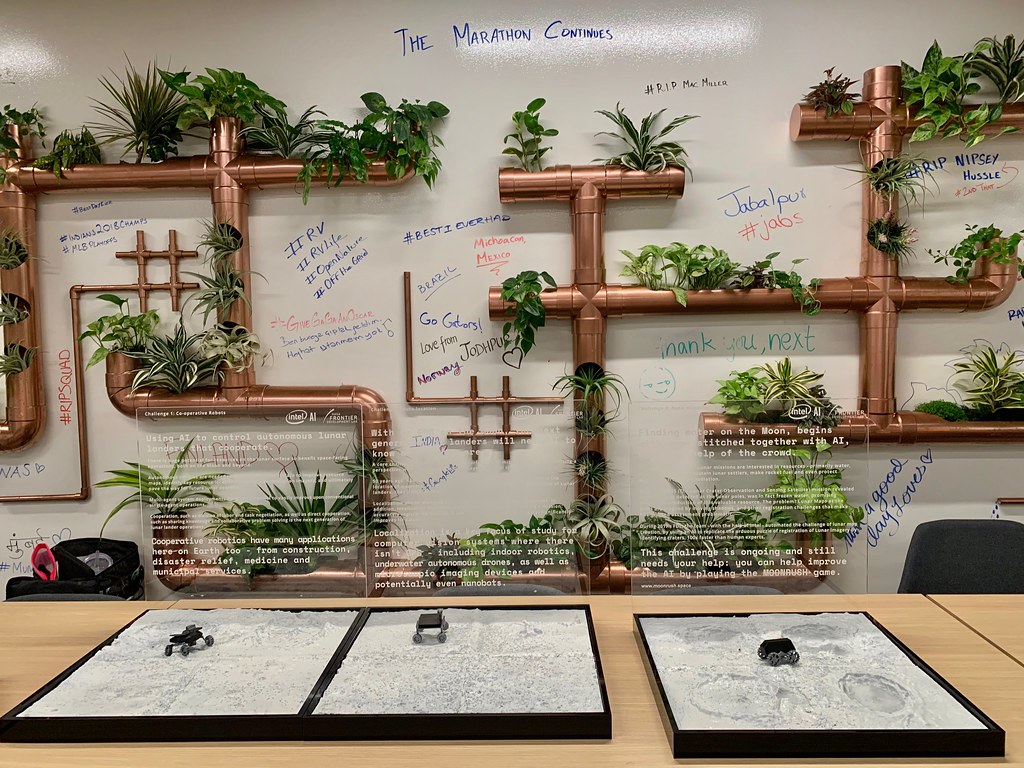
Generative AI in space is transforming how we approach data analysis and processing. This recent milestone highlights the potential of AI technologies in orbit.
What is Generative AI in space?
Generative AI in space refers to the application of artificial intelligence technologies that create new content or data based on existing information, specifically within the context of space exploration and satellite operations. This innovative approach leverages algorithms to analyze vast amounts of data collected from space missions, enabling enhanced decision-making and operational efficiency.
Recent advancements have seen companies like Google running generative AI on Tensor Processing Units (TPUs) situated in orbit. This marks a significant milestone in the development of space data centers that can process and generate insights in real time. By utilizing generative AI, these systems can autonomously produce simulations, model scenarios, and even assist in planning missions, which are crucial for the future of space exploration.
Among the benefits of integrating generative AI in space are:
- Improved data analysis capabilities
- Real-time decision-making
- Enhanced mission planning and execution
- Increased efficiency in resource allocation
This technology could revolutionize how data is utilized in outer space, paving the way for more ambitious scientific endeavors.
The role of TPU in orbit
The deployment of Tensor Processing Units (TPUs) in orbit represents a significant advancement in how we handle data generated in space. These specialized chips are designed to accelerate machine learning tasks, making them an ideal choice for processing vast amounts of space data efficiently. As the concept of a space data center evolves, the integration of generative AI in space becomes increasingly feasible and beneficial.
TPUs allow for rapid data analysis and model training directly in orbit, reducing the latency associated with sending data back to Earth. This capability can enhance real-time decision-making for missions, satellite operations, and Earth observation tasks.
Key advantages of using TPUs in space include:
- Efficiency: TPUs can perform complex calculations faster than traditional processors.
- Energy savings: Designed for optimized power consumption, they help reduce the overall energy footprint of space missions.
- Scalability: TPUs can be deployed in clusters, enabling them to handle growing data demands as more satellites and instruments are launched.
As generative AI in space continues to develop, the role of TPUs will be pivotal in transforming the way we analyze and utilize data beyond our planet.
Benefits of space data centers
The emergence of space data centers, particularly with the integration of generative AI in space, offers numerous benefits that could transform how we analyze and utilize satellite data. These advantages include:
- Reduced Latency: By processing data in orbit, space data centers can significantly minimize the time it takes to analyze information, enabling real-time decision-making for various applications.
- Enhanced Data Processing: Generative AI in space allows for the efficient handling of vast amounts of data, making it easier to extract valuable insights from complex datasets.
- Cost-Effectiveness: Utilizing space data centers can reduce the need for extensive ground infrastructure, leading to lower operational costs over time.
- Improved Collaboration: These centers can facilitate better collaboration between research institutions, governments, and commercial entities, promoting innovation in space exploration and technology.
- Sustainability: By harnessing renewable energy sources in space, data centers can contribute to more sustainable practices within the industry.
As the concept of space data centers continues to evolve, the role of generative AI in space will likely play a critical part in maximizing their potential.
Challenges faced by AI in space
The integration of Generative AI in space presents several challenges that must be addressed to optimize its potential. One major hurdle is the limited bandwidth available for data transmission between Earth and orbiting satellites. This constraint can hinder the real-time processing capabilities of AI systems, making it difficult to utilize the full power of generative models.
Additionally, the harsh environment of space poses risks to the hardware used for AI operations. Components may be susceptible to radiation and temperature fluctuations, which could lead to system malfunctions or data loss. Ensuring that the technology can withstand these conditions is crucial for the reliability of AI solutions.
Another challenge is the need for significant computational resources. While TPUs in orbit can enhance performance, the energy consumption and resource allocation required for running complex AI models can be substantial. This raises questions about the sustainability of deploying Generative AI in space on a larger scale.
- Limited bandwidth for data transmission
- Environmental risks to hardware
- High computational resource demands
Future of AI technology in space
The future of AI technology in space is poised for significant advancements, particularly with the integration of Generative AI in space. As organizations explore new frontiers in data processing, the potential for AI to revolutionize space mission planning and satellite operations becomes increasingly evident.
One of the critical areas of development is the enhancement of data analysis capabilities. With vast amounts of data generated from space missions, generative AI can streamline the interpretation and utilization of this information, leading to more efficient decision-making processes.
Furthermore, the collaboration between aerospace companies and tech giants is likely to foster innovation. As companies invest in AI-driven technologies, we may see a surge in applications ranging from autonomous spacecraft navigation to real-time environmental monitoring.
However, the path forward is not without challenges. The successful implementation of generative AI in space will require overcoming technical hurdles, ensuring data security, and addressing ethical concerns regarding AI decision-making in critical operations.
As advancements continue, the integration of AI technology in space could very well redefine our exploration and understanding of the universe.
By jurvetson via Openverse