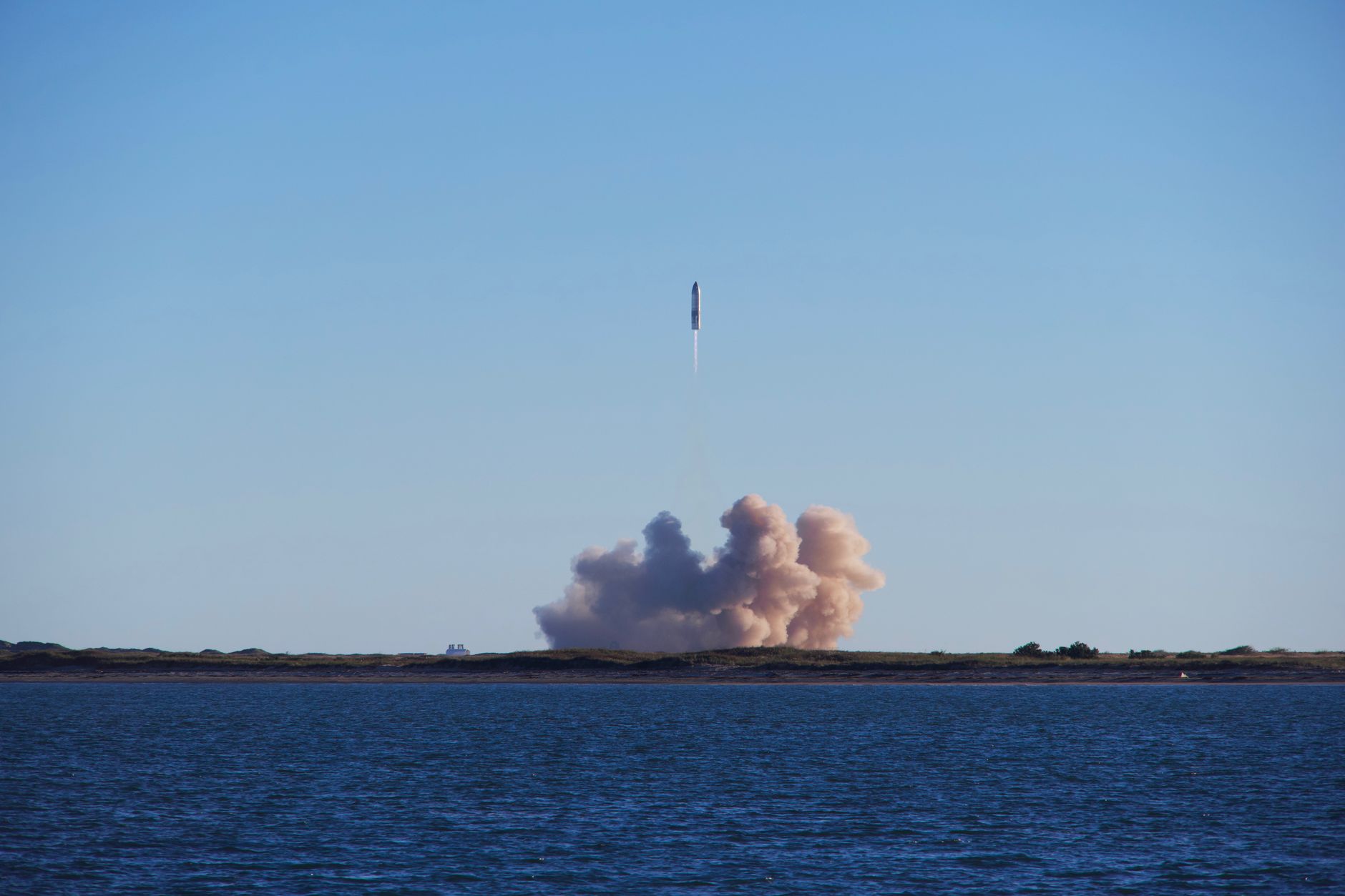
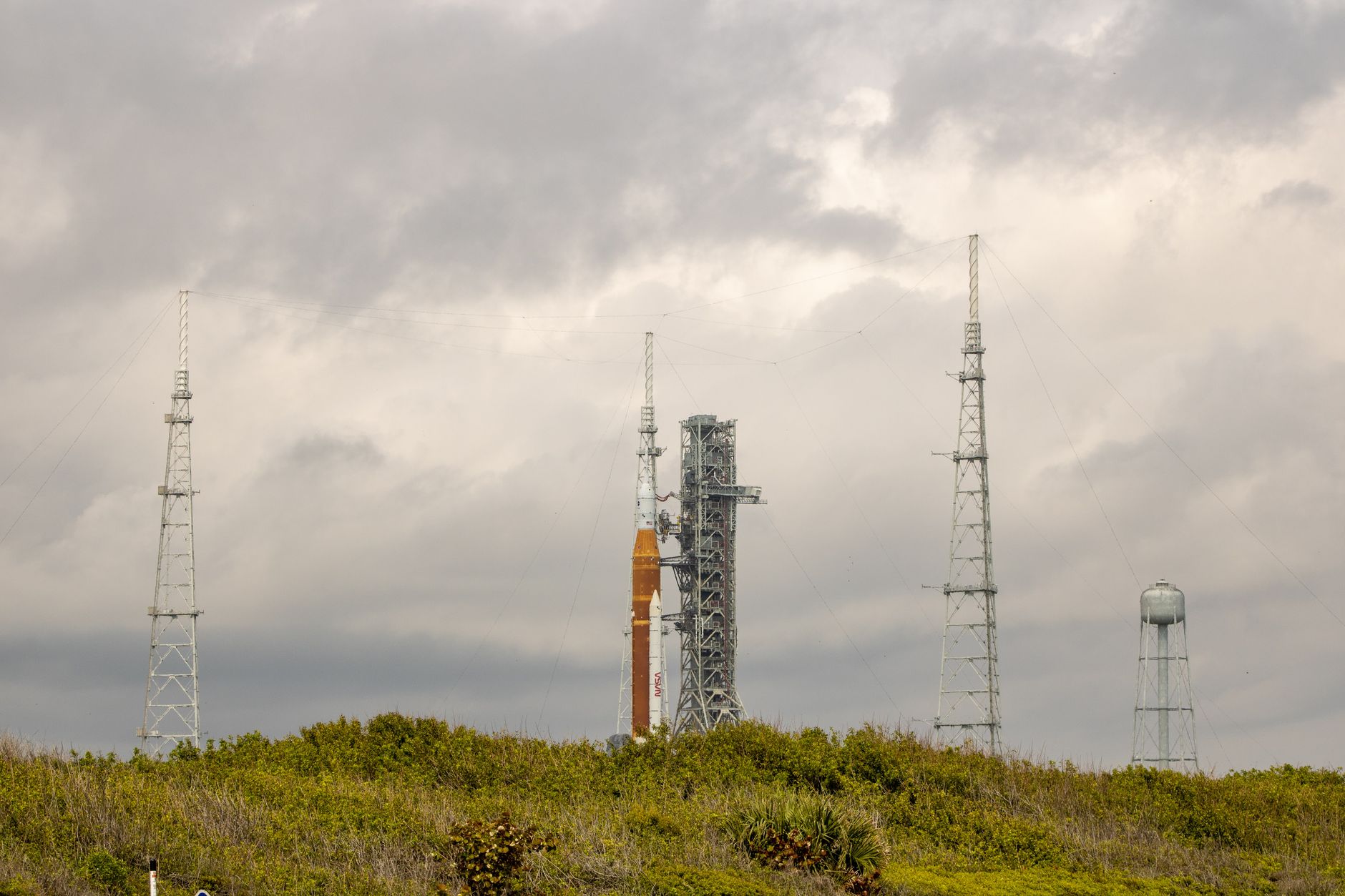
ISRO navigation satellite NVS-03 has successfully launched into orbit, marking a significant milestone for India’s space program. This achievement enhances the nation’s navigation capabilities and showcases ISRO’s growing expertise in satellite technology.
Overview of ISRO’s NVS-03 Launch
ISRO successfully launched its latest navigation satellite, NVS-03, which marks a significant milestone in India’s space ambitions. The satellite was launched aboard a GSLV rocket, demonstrating ISRO’s growing capabilities in deploying advanced technology into orbit.
The NVS-03 satellite is a part of the Navigation with Indian Constellation (NavIC) program, designed to provide accurate position information services to users in India and the surrounding region. This satellite enhances the existing navigation capabilities and aims to improve the accuracy and reliability of positioning services across various sectors.
Key features of the NVS-03 launch include:
- Launch Vehicle: GSLV Mk II
- Launch Date: Recently completed
- Orbit: Geosynchronous Transfer Orbit (GTO)
- Objectives: To bolster India’s navigation infrastructure and improve service availability
The successful deployment of the ISRO navigation satellite NVS-03 is expected to have a profound impact on applications such as transportation, agriculture, and disaster management. As India continues to expand its capabilities in space technology, the NVS-03 satellite serves as a testament to the nation’s commitment to achieving self-reliance in space-based navigation services.
Importance of Navigation Satellites
Navigation satellites play a crucial role in modern society, serving various applications that contribute to economic growth and national security. The successful launch of the ISRO navigation satellite, NVS-03, underscores the importance of these technological assets in India’s space ambitions.
These satellites provide accurate positioning information that is essential for a multitude of sectors, including:
- Transportation: Navigation satellites enhance the efficiency and safety of logistics and transportation systems, enabling real-time tracking and route optimization.
- Agriculture: Farmers utilize navigation signals for precision farming, improving crop yield and resource management.
- Telecommunications: Enhanced connectivity and communication services are possible due to the precise timing and positioning provided by navigation satellites.
- Disaster Management: Accurate navigation data assists in effective disaster response and recovery efforts, saving lives and resources.
Moreover, the ISRO navigation satellite system aims to provide regional services and contribute to the global navigation satellite system framework. As India continues to advance its space capabilities, the successful deployment of NVS-03 marks a significant milestone. It not only enhances the country’s autonomous navigation capabilities but also solidifies its position in the international space arena.
In conclusion, the significance of navigation satellites cannot be overstated, as they are integral to various sectors that drive the nation forward.
Future of India’s Space Missions
As India continues to expand its capabilities in space technology, the future of India’s space missions looks exceptionally promising. The successful launch of the ISRO navigation satellite NVS-03 marks a significant milestone, not just for navigation but also for the potential of upcoming projects that could shape the next decade of space exploration.
India’s investment in navigation satellites is a strategic move that enhances its autonomy in satellite positioning and communication. The NVS series, including the recently launched NVS-03, is set to bolster regional and global positioning systems, ensuring accuracy in various applications such as transportation, aviation, and disaster management.
Looking ahead, ISRO has ambitious plans that may include:
- Advancements in satellite technology: Future navigation satellites may incorporate cutting-edge technology to improve precision and performance.
- International collaborations: Engaging with global partners to enhance research and development in satellite navigation.
- Expansion of services: Offering enhanced navigation services for both civilian and military applications.
- New launches: Continuously expanding the fleet of ISRO navigation satellites to cater to increasing demand.
With the launch of NVS-03, ISRO has taken a significant step toward securing India’s place in the world of space navigation, paving the way for future innovations and endeavors in the realm of satellite technology.
Technological Innovations by ISRO
The recent launch of the ISRO navigation satellite NVS-03 marks a significant milestone in India’s space endeavors, showcasing the technological advancements made by the Indian Space Research Organisation (ISRO). This satellite is designed to enhance the Global Navigation Satellite System (GNSS) capabilities of the country, providing precise positioning services.
One of the notable innovations in the NVS-03 is its advanced atomic clock, which significantly improves the accuracy of navigation signals. This technology allows for better timekeeping, ensuring that the positioning data received by users is reliable and consistent. Moreover, the satellite employs cutting-edge algorithms for signal processing, enhancing the overall performance of navigation applications.
In addition to improved accuracy, the NVS-03 navigation satellite introduces enhanced security features to protect the integrity of the navigation signals. These measures are crucial in an era where satellite signals can be vulnerable to interference and spoofing.
Furthermore, the satellite’s design incorporates a modular approach, making it easier to upgrade components in the future. This adaptability ensures that ISRO can keep pace with rapidly evolving global technologies.
Overall, the successful deployment of the ISRO navigation satellite NVS-03 is a testament to India’s growing capabilities in space technology and its commitment to ensuring reliable navigation services for various applications.
The ISRO navigation satellite has significantly enhanced the accuracy of positioning services across India. As a result, the ISRO navigation satellite continues to play a crucial role in supporting various sectors, including agriculture and transportation.